Are There Dangerous Sharks (Tigers/Whites) Around During The Whale Shark Swim? Yes, you’ll find tiger sharks and the odd Great White Shark lurking in the waters around Ningaloo Reef in Western Australia. But don’t let that put you off – whale shark tours are well managed, closely monitored, and actually considered pretty safe if you go by the standards used in the Australian adventure tourism industry.
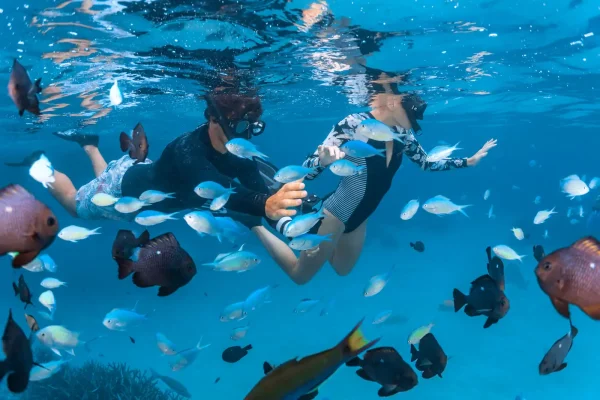
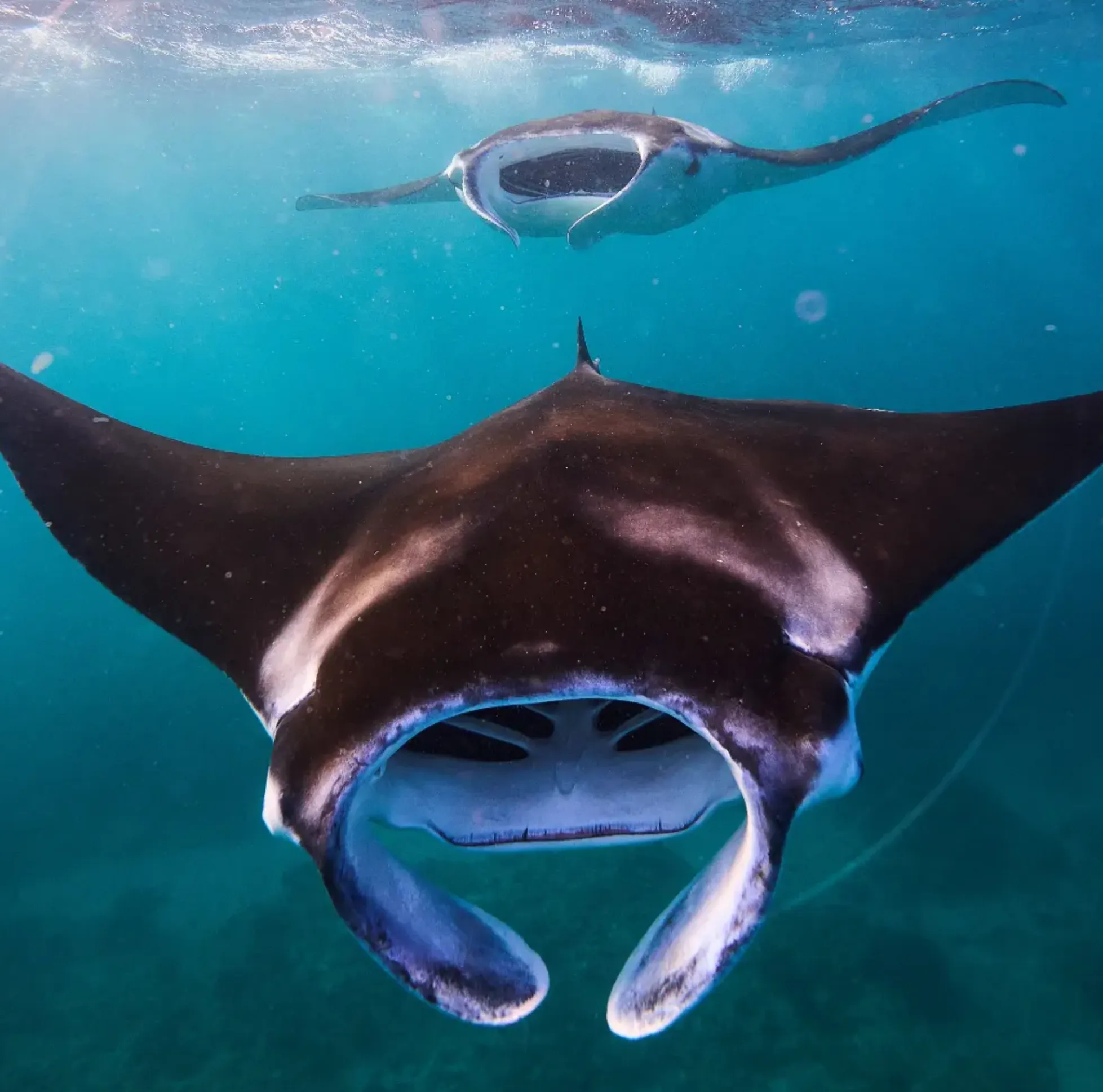
I’ve spent some time splashing about in these waters off the Coral Coast, and I have to say, the reality is a lot less hair-raising than the internet makes it out to be. The chances of spotting a marauding predator are infinitesimally small – you’re far more likely to see a manta ray, a turtle or a black tip reef shark than a Jaws-style monster. And a good tour feels more like a relaxing boat trip with a bunch of mates while taking in the sights than some kind of horror movie.
All the same, this is still open ocean. So, be sensible, do as the crew tells you, and make sure you book with an operator who knows what they’re doing and has sustainable tourism accreditation.
The Marine Life You’re Most Likely To Encounter
The waters around Exmouth and Coral Bay are just teeming with marine life inside Ningaloo Marine Park. And that’s because the reefs here are healthy and naturally support both the big, gentle ones and the ones at the top of the food chain.
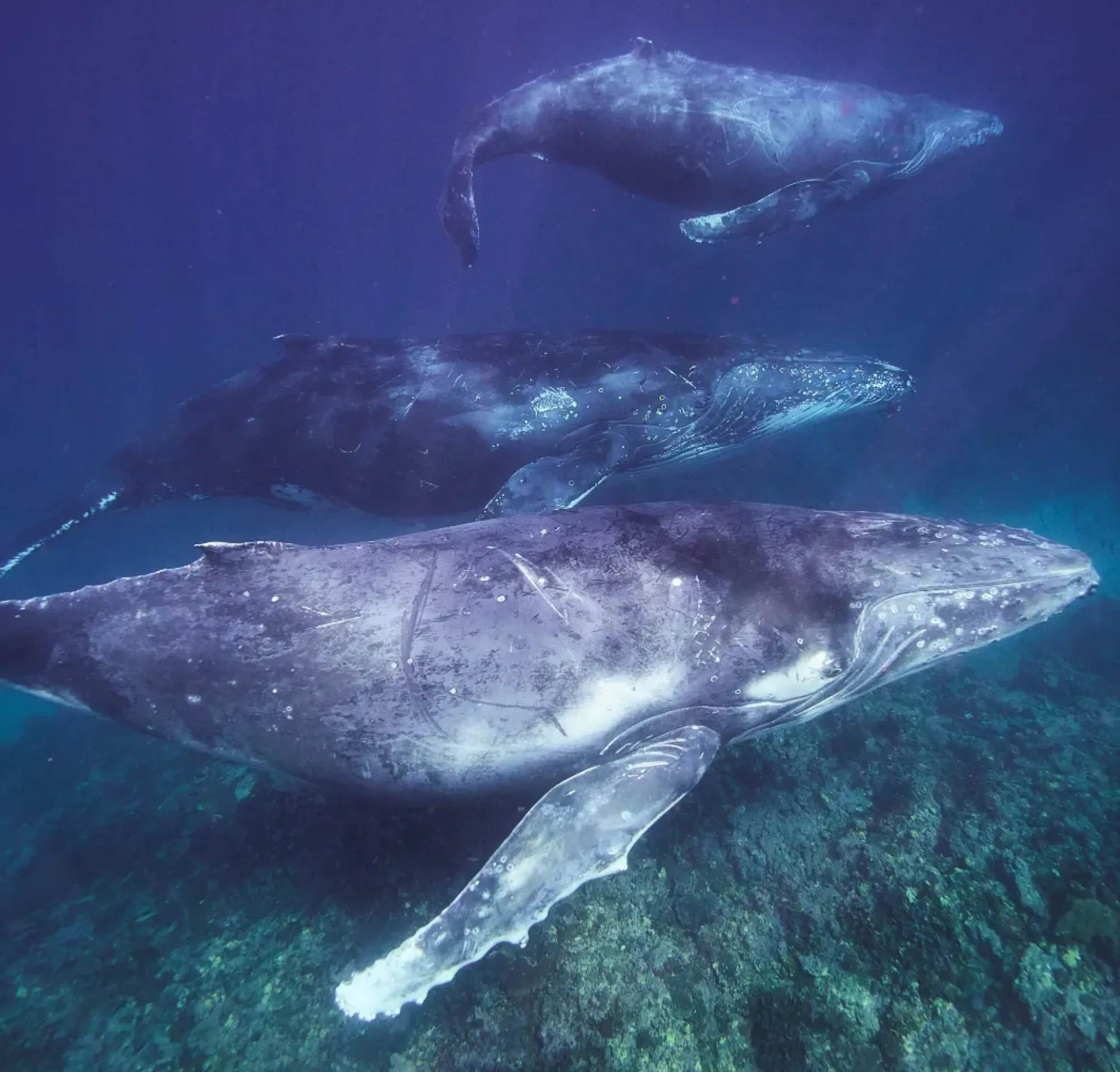
Shark Species Commonly Seen Near Ningaloo
| Shark Species | Common Around Tours? | Risk To Swimmers | Notes |
|---|---|---|---|
| Whale Shark | Yes | Extremely low | Gentle filter feeders |
| Black Tip Reef Sharks | Frequently | Very low | Shy around humans |
| Tiger Shark | Occasionally | Moderate if provoked | More common offshore |
| Great White Shark | Rare | Low in this region | More common in southern WA |
| White Tip Reef Sharks | Sometimes | Very low | Often near coral bommies |
Most shark attacks in Western Australia tend to happen at surf beaches way down south, not during the regulated whale shark tours, which take place further north.
Spotter planes, marine guides, safety boats and experienced skippers keep a close eye on the water at all times during the tours.
How Professional Tour Crews Reduce Risk
Whale shark tours stick to strict rules managed through the Department of Biodiversity, Conservation and Attractions.
Operators like Wildlife Tours get that marine conservation and tourist safety go hand in hand. Most of the snorkel tours include:
- Regular spotter plane checks
- Safety briefs before you get in the water
- Making sure interactions with the whale sharks stay totally controlled
- Flotation devices and life jackets are always available
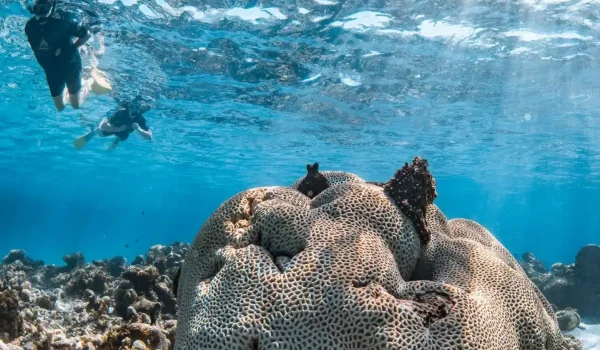
- High-quality snorkelling gear that works well
- Fast evacuation if you need to get out of the water
Honestly, sunburn and seasickness are probably going to cause you more grief than sharks. Western Australia’s Coral Coast sun is fierce even in winter; it really packs a punch.
Why Tiger Sharks Rarely Become A Problem During Tours
Tiger sharks do live in the WA coastline, but whale shark tours try to operate in a way that keeps the risk of an incident as low as possible.
Tiger sharks tend to favour deeper offshore waters, lower visibility, and sniffing around for food during early morning or late evening when it’s darker. Whale shark swimming tours, on the other hand, take place in daylight with good visibility, high up in a plane, spotting sharks and a whole team of trained safety personnel nearby.
That combination makes a pretty big difference.
Get There The Day Before If You Can
If a tiger shark appears too close to the swimmers, crews will get everyone out of the water straight away, no messing around.
The WA ecotourism industry relies on strong safety records, so operators are cautious at all times.
Understanding Great White Shark Activity In WA Waters
Great White Sharks do exist in Western Australia, but Ningaloo Reef isn’t anywhere near the most popular place for them to hang out.
The places where you’re more likely to encounter a Great White are:
- Esperance
- Albany
- Margaret River
Warm tropical reef systems like Ningaloo are less typical places for Great Whites to stick around, so if you’re heading there on an organised tour, you can breathe a bit easier.
The Problems Travellers Usually Forget About
The Sun Is More Brutal Than Expected
UV off the water around Exmouth and Coral Bay is seriously harsh. Don’t forget to wear a rashie, reef-safe sunscreen, sunglasses and a hat when you’re not swimming.
Rough Water Can Ruin Your Day Fast
The Indian Ocean can get pretty rough pretty quickly. If you get seasick, take some tablets before you get on the boat, don’t wait till you’re feeling queasy.
Big Fish Can Trigger Panic Reactions
Whale sharks are gentle giants, but still, floating next to something that size can get your adrenaline going.
That’s why the crew keep the groups under control and has flotation devices on hand for swimmers who get a bit anxious.
The Rules That Keep Swims Safe And Respectful
Tour operators around Ningaloo Reef stick to pretty strict guidelines on how to handle wildlife encounters for tourists.
Standard Water Entry And Distance Rules
| Rule | Purpose |
|---|---|
| No touching whale sharks | Protects swimmers and animals |
| Stay 3 metres from the body | Prevents collisions |
| Stay 4 metres from the tail and pectoral fin | Avoids accidental strikes |
| Enter water only when instructed | Maintains safety |
| Use flotation devices if needed | Helps weaker swimmers |
Once you catch a glimpse of a whale shark in the water, excitement builds in no time & people tend to get super stoked. But don’t worry – the rules are in place to keep everyone as calm and safe as possible.
Choosing The Best Time For Calm Conditions
Early Season Conditions
Mid-Season Conditions
This is usually the best of both worlds – the seas are generally pretty calm, and the visibility is great. You can also expect the operators to be pretty keen on this time of year – people like Live Ningaloo, Exmouth Dive, Three Islands Whale Shark Dive, and Wildlife Tours reckon its the best time to go.
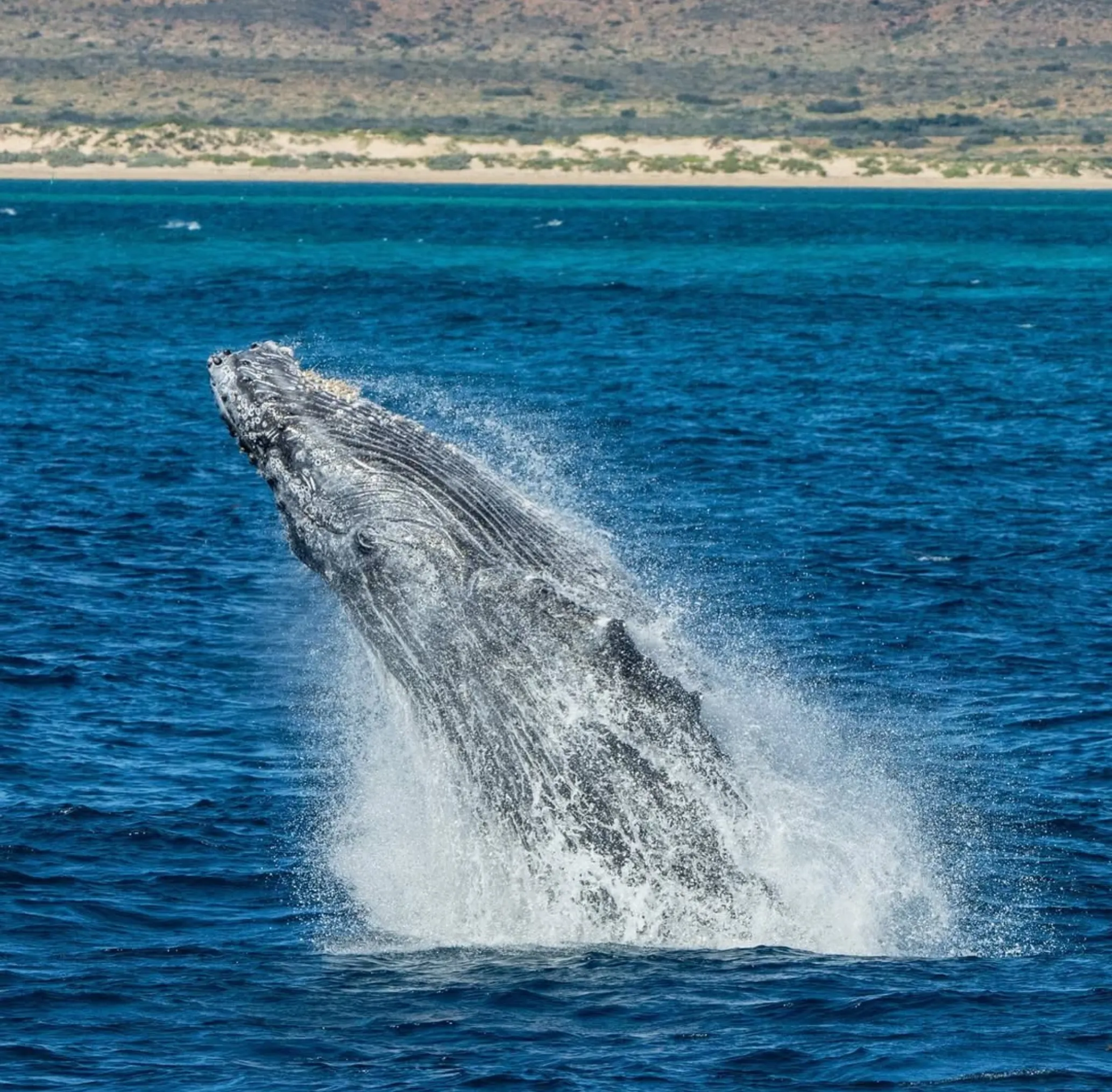
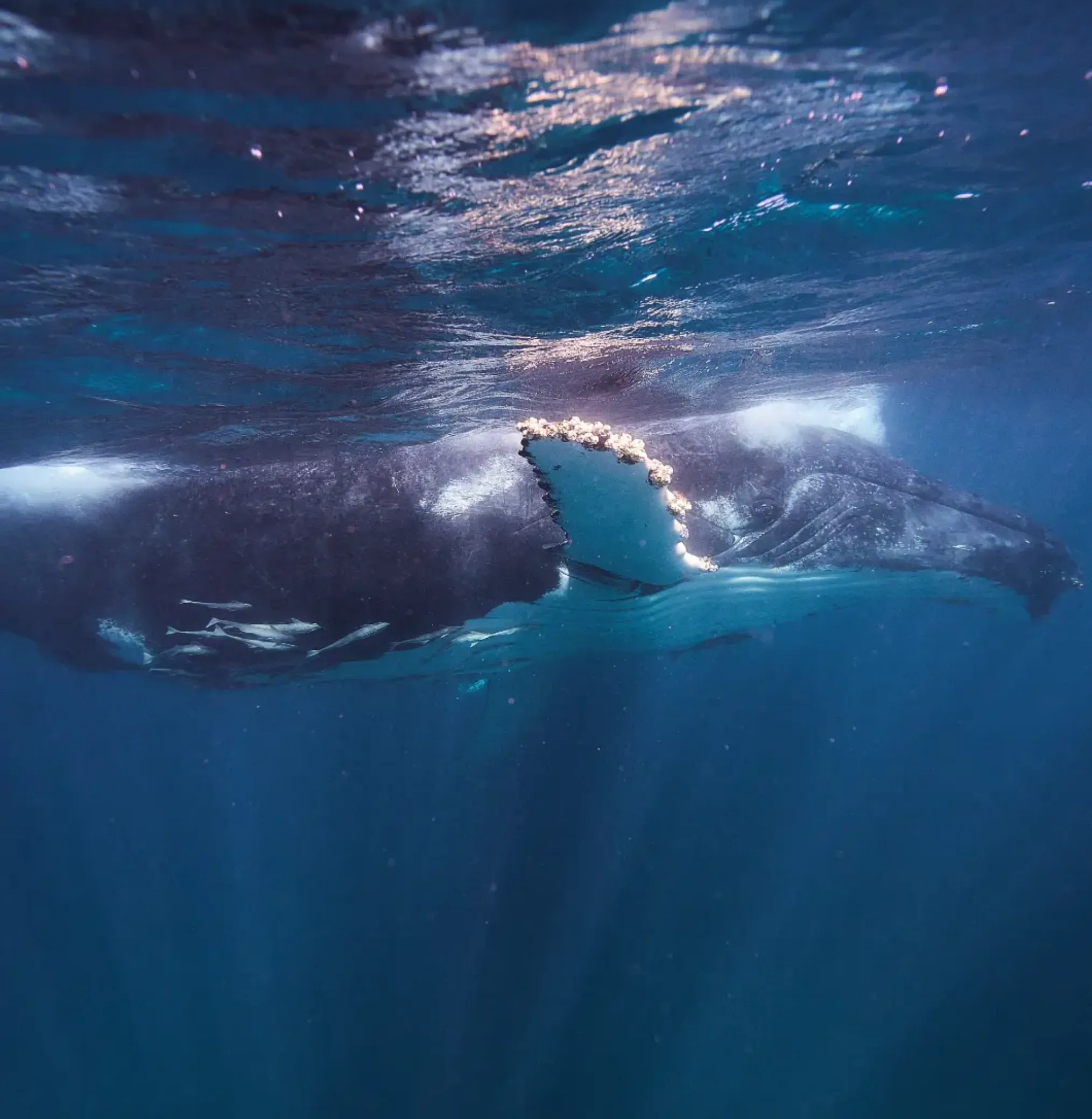
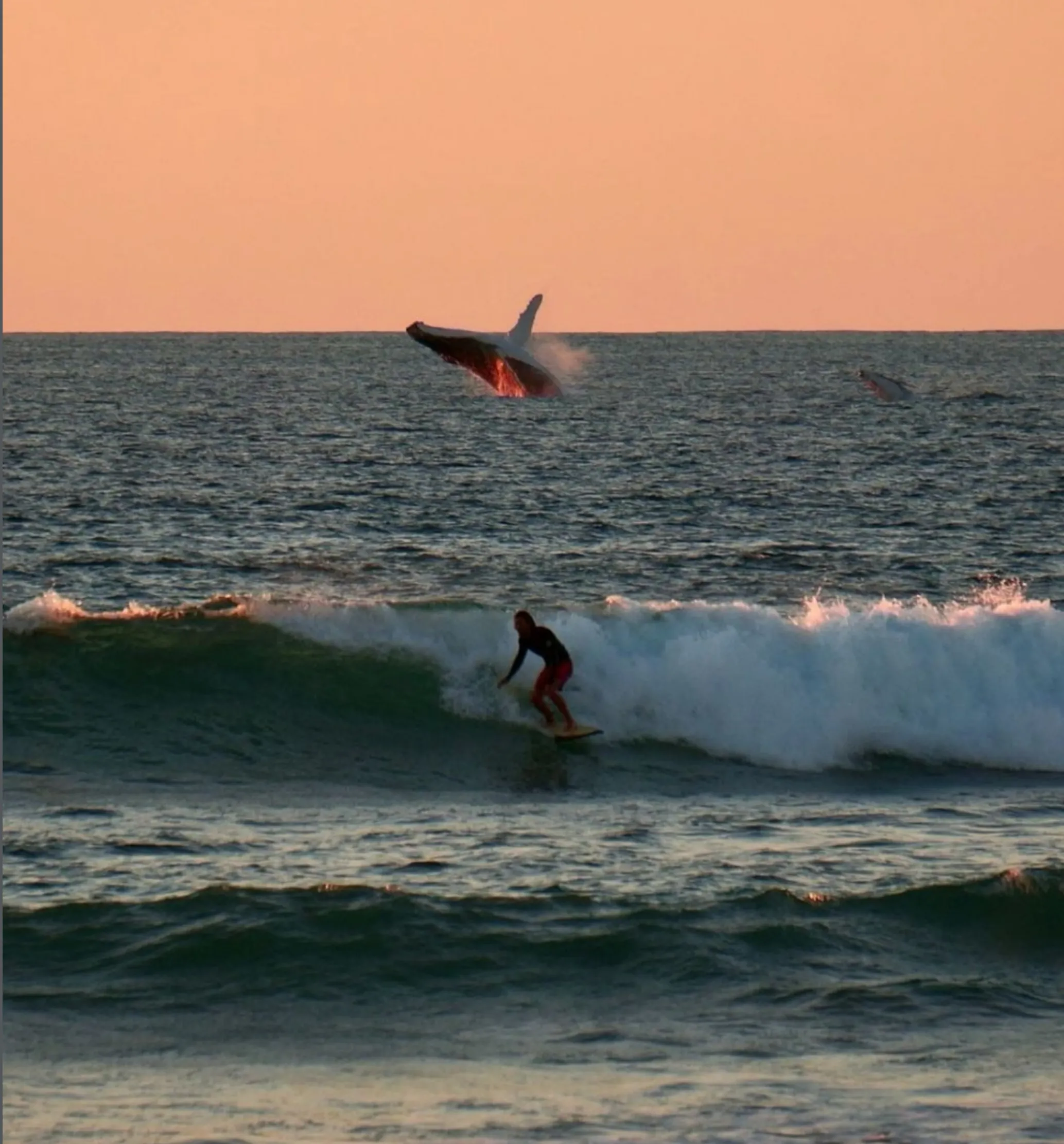
And if you’re lucky, you might even catch some humpback whales coming through later in the season. And trust me, a mid-season whale shark tour with calm seas is just the ticket for getting the clearest visibility.
Late Season Weather
Its a bit cooler in the mornings and a bit windier in the afternoons by this stage – but don’t let that put you off, snorkelling and scuba diving are still pretty top-notch.
What The Swim Feels Like In Real Life
I reckon people don’t quite do these moments justice – as soon as you stick your head in the ocean, every single shark movie you’ve ever seen suddenly leaps into your brain, and you think “oh bloody hell, what have I got myself into”.
Then along comes the whale shark.
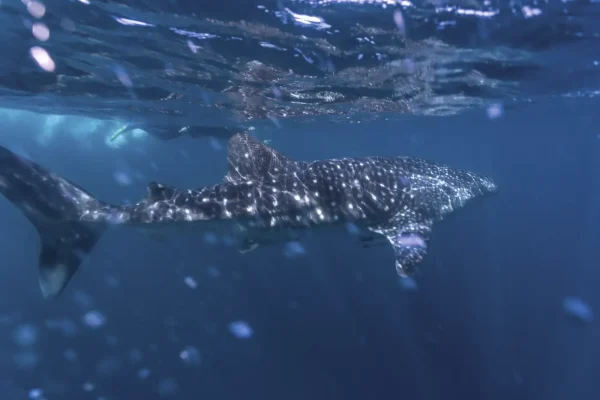
And suddenly its all good. The fish moves so slowly underneath you, it feels like you’re just floating along next to a giant spotted road train chugging along the Stuart Highway. Most people come back buzzing with excitement, not screaming with fear.
The key is simple: show some respect for the water, trust your crew, and don’t go trying to be a bloody hero for Instagram.
Why Ningaloo’s Conservation Efforts Matter
Nowadays, the whale shark industry is a pretty big deal in the WA ecotourism scene. And that’s a good thing – because it means that all the tourism dollars we’re taking in are helping to support shark monitoring, and all sorts of research into marine ecosystems that are under pressure from climate change and stuff.
Researchers are still going around tagging sharks and tracking whale sharks along the Coral Coast. And a fair chunk of our tour fees gets ploughed back into looking after Ningaloo Marine Park.
Smart Booking Tips Before You Head North
Listen – here’s the advice I’d give my own mate if he were planning a trip up to Ningaloo.
Book an operator that:
- It has some decent sustainability accreditation
- Uses experienced guides who know what they’re doing in the water
- Keeps the swimmer numbers down
- Has all the proper safety gear
- Gives you top-notch snorkelling gear and a photo package if you want it
But if it looks dodgy, just don’t bother. Keeping a few dollars is not worth risking your life in the middle of nowhere.
Oh – and if you can, stay on for a few extra days. Ningaloo Reef is just magic from the shore. Turquoise Bay drift snorkels are absolute gold on a calm morning.
Final Thoughts From Paul
Swimming with whale sharks off Ningaloo Reef is just as amazing as everyone says it is. I mean, it’s true – there are some pretty scary sharks in Western Australia’s waters. That’s just part of the deal when you’ve got a healthy marine ecosystem.
Now, it’s true that there are some pretty dodgy sharks out there – but the good news is that organised whale shark tours are extremely well run, and they do everything they can to keep you safe. They’ve got spotters in the air watching out for any sharks that might be lurking nearby, and the stats really do speak for themselves.
Just listen to what the crew’s telling you, follow the weather conditions, and don’t forget to wear the sunscreen, okay?
FAQ
Can whale sharks attract any bigger predators?
The answer is no, not in any way that you’ve probably imagined. Whale sharks are filter feeders – they just eat tiny plankton, not massive prey that’s going to bring in a feeding frenzy.
Have Ningaloo tours ever had any serious shark incidents?
The short answer is very rarely – thanks to all the safety precautions they take, and because the spotters in the air are keeping a close eye out for any sharks.
Which sharks do people talk about most when they're hanging out in Exmouth?
The one you hear mentioned most often is the tiger shark. Although don’t get too worked up – they don’t actually see many of those near the swimmers on the tours.
Does getting an earlier start to the day make a difference?
Yes, it usually does – the morning tours often get much calmer seas and some really great visibility.