Uluru 2026 event calendar: festivals, marathons, and light shows is less about what’s happening and more about when you show up. If you’re planning a trip to the Red Centre in 2026, here’s the straight answer: aim for the dry season (May to July), align your dates with a major event, and you’ll get far more than a standard visit.
I’ve taken groups through Uluru-Kata Tjuta National Park in every season, and I’ve seen the contrast firsthand. Turn up in peak summer and you’ll be hiding from the heat by mid-morning. Turn up during an event window, and suddenly the place has energy — runners warming up at sunrise, cultural gatherings at dusk, and travellers actually engaging with the landscape instead of just photographing it.
Why Timing Changes Your Red Centre Trip
Most people treat Uluru like a quick stop — sunrise, sunset, maybe a walk, then out. That works, but it barely scratches the surface. Events shift the pace. They give structure to your days and a reason to linger.
The region pulls in more than 300,000 visitors a year, with the bulk arriving in winter. That’s not just for the cooler weather. It’s because this is when the best experiences line up — from First Nations culture to light installations that work with the landscape instead of overpowering it.
Real-World Insight From The Ground
One July, I was running a small-group itinerary alongside Wayoutback Tours when the Australian Outback Marathon was on. Same tracks, same views — completely different feel. Instead of quiet desert, there was movement, anticipation, and a shared sense of purpose. One traveller told me later it was the first time a destination felt “alive” rather than just scenic.
Expectation Vs Reality
A lot of travellers expect something polished and high-production, like Badu Gili projections at the Opera House or big-city light and sound shows. Uluru doesn’t do that. What you get instead is something quieter, more grounded — and if you lean into it, far more memorable.
2026 Event Timing Explained
Dates can shift slightly each year, but patterns are reliable. More importantly, the conditions around each event matter just as much as the event itself.
| Experience | Timing (2026 est.) | Distance / Duration | Difficulty | Ground Reality |
|---|---|---|---|---|
| Tjungu Festival | April | 2–4 hours sessions | Easy | Warm days, cultural focus, fewer crowds |
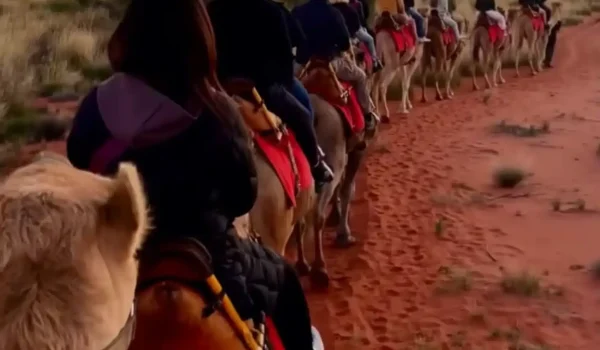
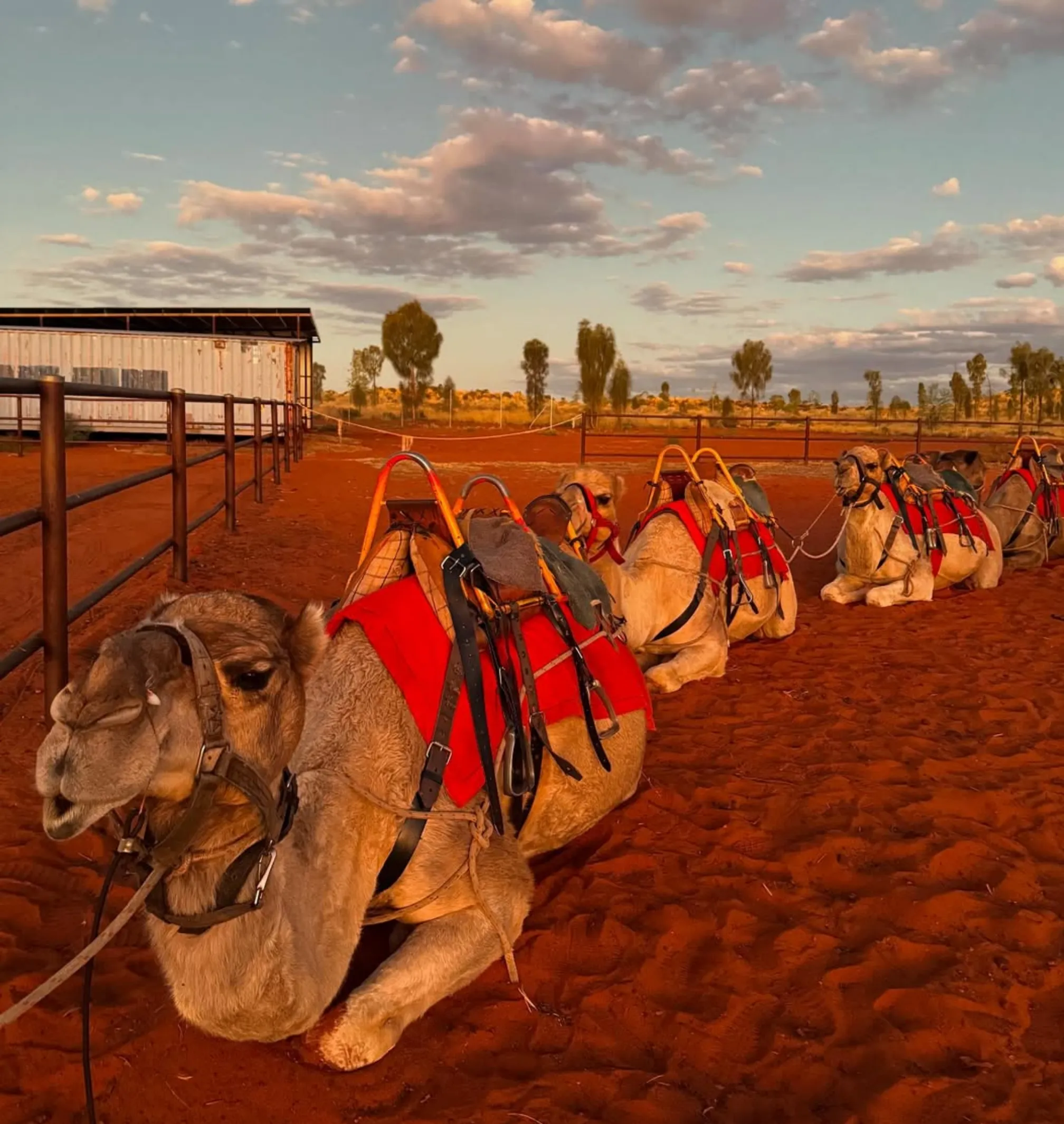
| Uluru Camel Cup | May | Half-day | Easy | Dust, rising heat, relaxed outback vibe |
| Field of Light | Year-round | 1.5–2 hours | Easy | Cool evenings, low light walking |
| Outback Marathon | Late July | 11km–42km | Hard | Dry air, uneven tracks, early starts |
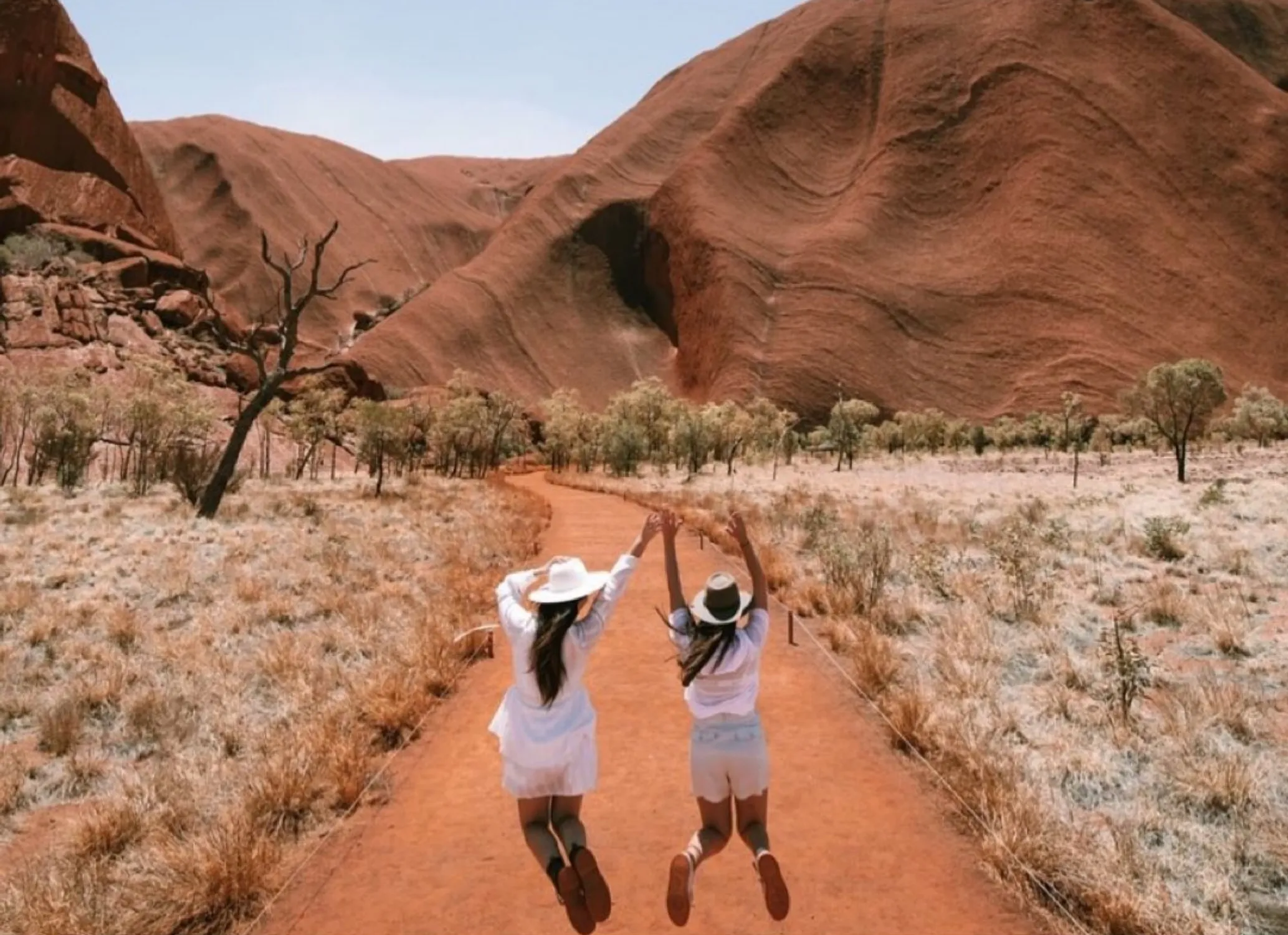
| Kata Tjuta Valley Walk | Year-round | 7.4 km return | Moderate | Heat exposure, rocky terrain |
That “easy” rating for some events can be misleading. Even standing around in the Red Centre sun for a few hours can knock you about if you’re not prepared.
Light Shows & Night Experiences Explained
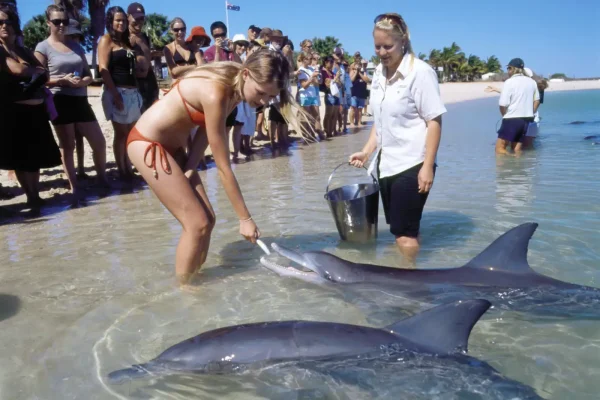
Every time I come to Monkey Mia, I think I’ve finally got my routine figured out, but the truth is, every traveller eventually develops their own way of getting by. Here’s my take:
Field Of Light: Quiet Immersion, Not Flashy Spectacle
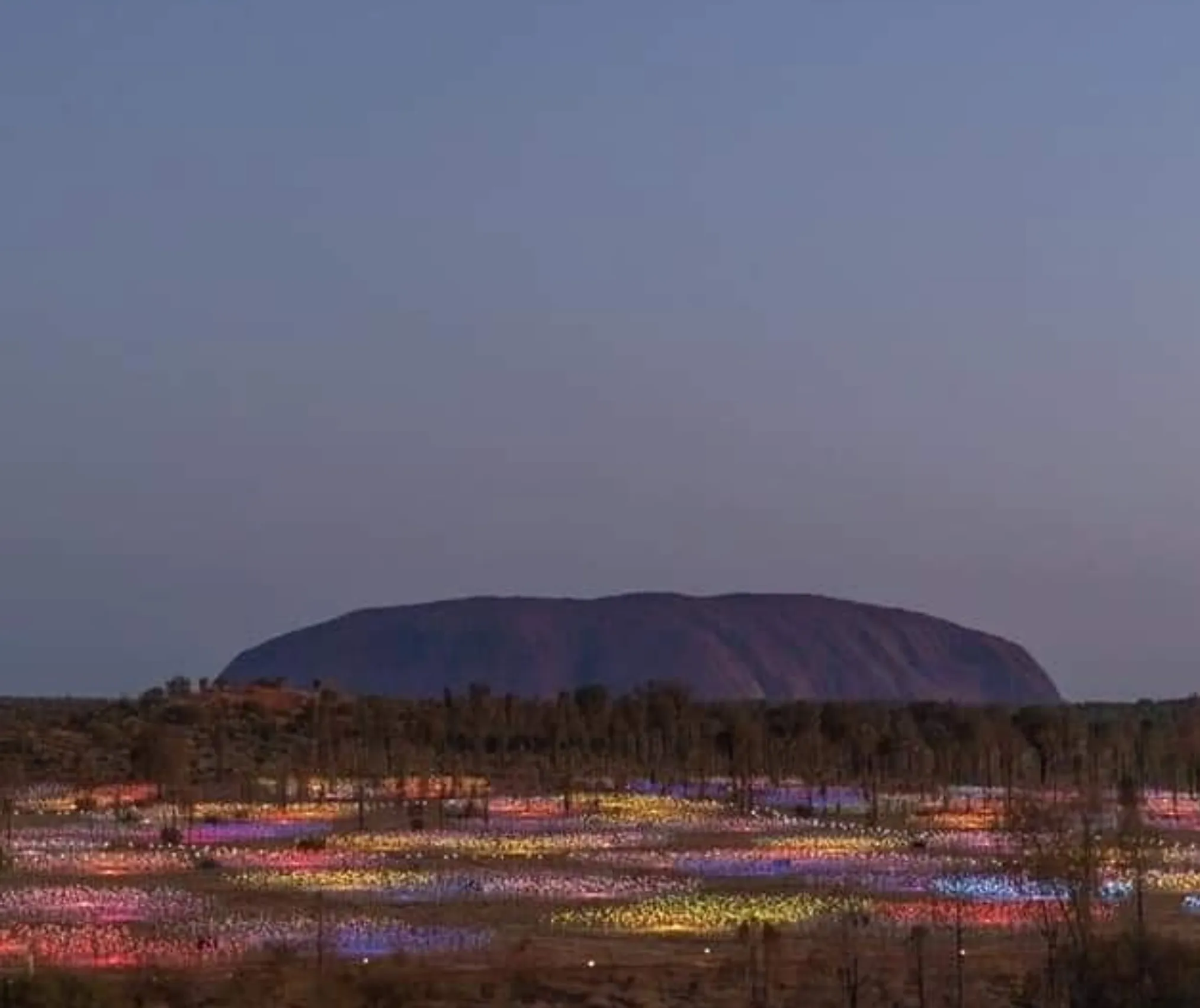
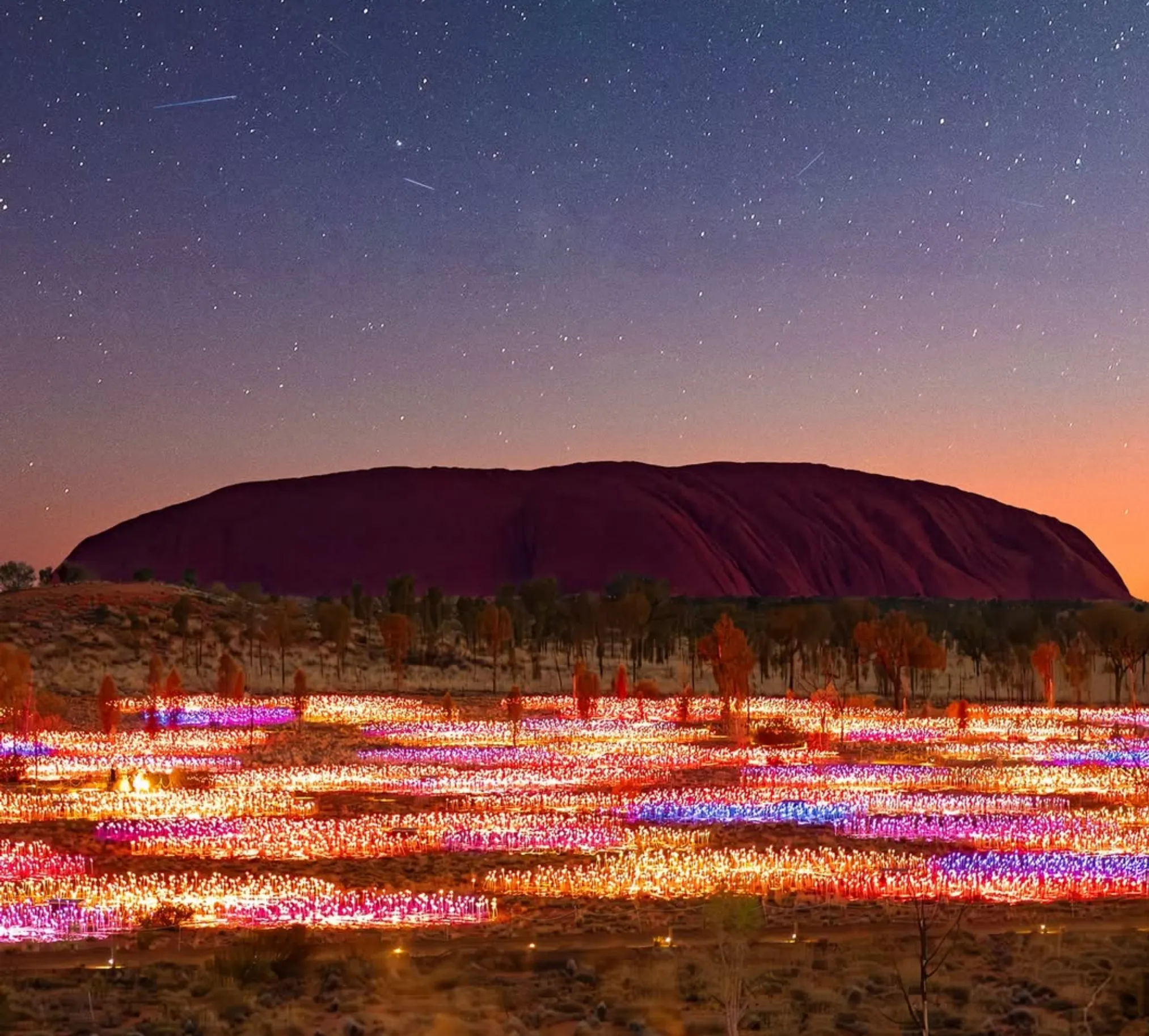
If you’re expecting strobe lighting, pulsating special effects, or anything resembling a high-energy light and sound show, you’ll be off the mark. This is a large-scale light installation designed to sit within the desert, not dominate it.
You’ll walk through softly glowing paths, sometimes paired with subtle custom soundscapes that add depth without turning it into a full-blown immersive adventure production. No pyrotechnic effects, no theatrical smoke, no 3D technology — just a slow, atmospheric shift as the desert transitions into night.
What catches people out is how physical it still is. You’re walking on uneven ground in low light. In winter, temperatures drop quickly — I’ve seen it go from a comfortable 22°C at sunset to under 10°C within an hour.
Sounds Of Silence: When It Works, It Really Works
This one’s a gamble — and I say that honestly. On a clear night, with proper stargazing stories and no wind, it’s one of the most memorable evening entertainment experiences in Australia.
But I’ve also sat through cloudy nights where the sky disappeared and half the magic went with it. That’s the Red Centre. You don’t control the conditions — you work with them.
Marathon & Active Events: Pitfalls
The Australian Outback Marathon sounds like a bucket-list moment. It is — but it’s also tough in ways people underestimate.
What Most Travellers Get Wrong
They assume it’s comparable to a coastal or city run. It’s not. There’s no smooth pavement, no predictable terrain, and far less shade than you’d expect.
I once had a traveller on a 3 Day Uluru Tour from Alice Springs decide to enter the half marathon last minute. They were fit, but not used to dry heat. By kilometre eight, dehydration kicked in hard. They finished, but only just — and spent the next day recovering instead of exploring.
Who It’s Actually For
This experience suits travellers who already train in warm or dry conditions and understand how their body reacts to heat and uneven ground. If you’re new to running or sensitive to heat, this one can tip from rewarding to risky quickly.
Getting Around Without Delays
Uluru looks simple on a map. In reality, distances and conditions stretch everything out.
Flying into Ayers Rock Airport is the easiest option. From there, most travellers base themselves in Yulara. Shuttle bus services connect accommodation, Uluru, and Kata Tjuta, and they’re reliable — but they run on fixed schedules, which can limit flexibility.
Driving from Alice Springs is where people misjudge timing. It’s roughly 450 kilometres, and while Google Maps might suggest five hours, real-world timing is closer to six to six-and-a-half hours once you factor in fuel stops, road trains, and basic breaks.
Parking at sunrise and sunset viewing areas fills fast. If you’re not there at least 45 minutes early in peak season, you’ll be circling or walking further than expected.
Seasonality: What It Actually Feels Like Day-To-Day
Dry season is the go-to, but here’s how it plays out practically.
In winter, mornings are cold enough that you’ll want a jacket — sometimes even gloves. By midday, it warms into the low 20s, which is perfect for walking tracks around Uluru or Kata Tjuta. Evenings drop quickly again, especially during night experiences.
In shoulder months like April, the Tjungu Festival runs in warmer conditions. It’s still manageable, but you’ll feel the heat build by early afternoon.
Summer is where plans fall apart. Temperatures regularly push past 35°C, and I’ve seen travellers abandon walks halfway through because they underestimated how draining that heat is.
One-Day Plan Without Rushing
If you’ve only got one day, the key is restraint. Trying to do everything is where people burn out.
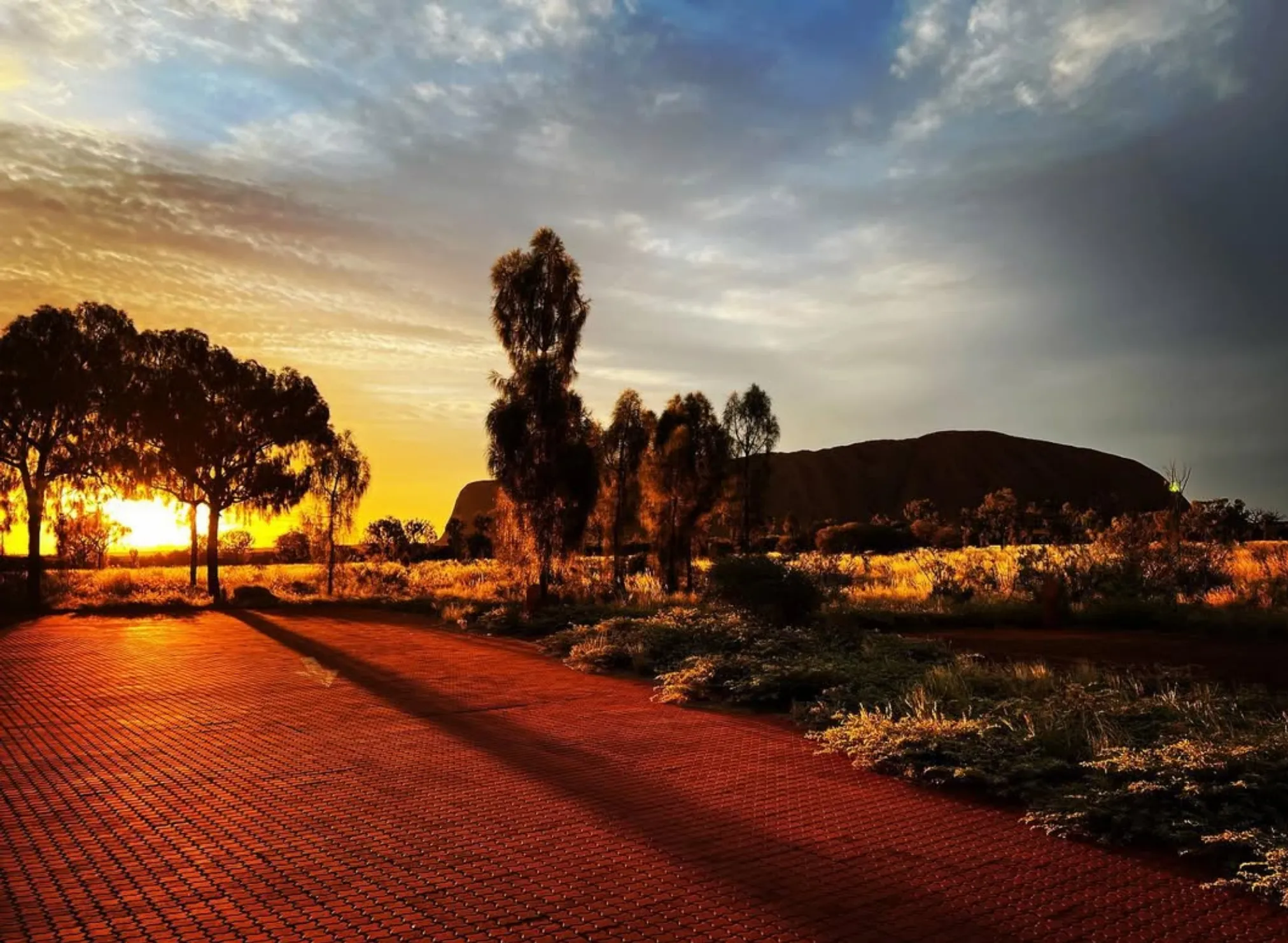
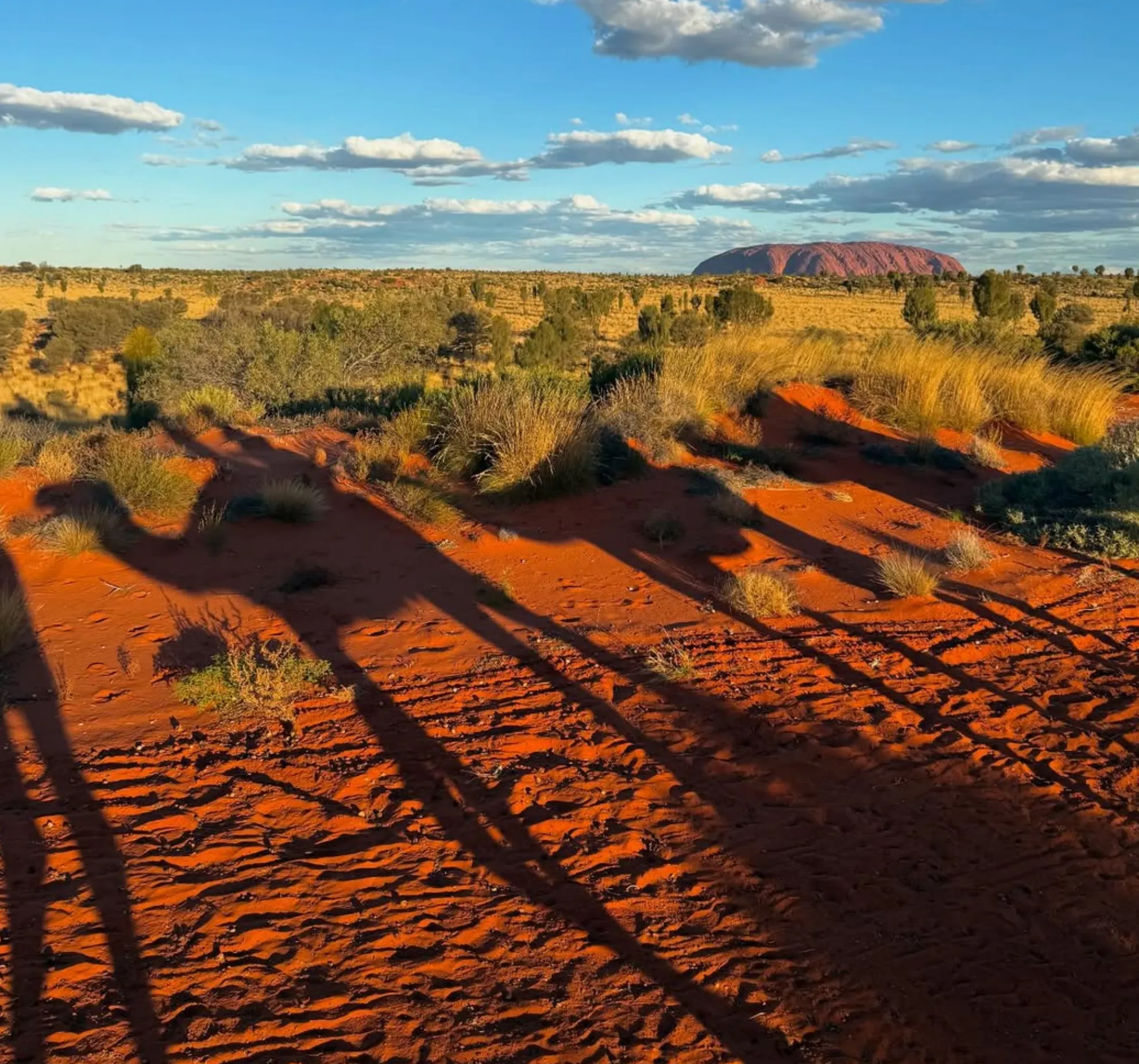
Start with sunrise at Uluru, but get there early — not just for the view, but to secure parking and avoid the rush. Mid-morning, choose a shorter section of the base walk rather than committing to the full loop, which can take 3–4 hours depending on pace and stops.
Take a proper break through the hottest part of the day. Then head back out for sunset and roll into the Field of Light experience. That flow works because it respects both the climate and your energy levels.
What Catches Travellers Out Every Time
There are patterns you start to notice after years out here. The biggest one? People underestimate how much the environment dictates their day.
Distances between Uluru and Kata Tjuta — about 50 kilometres — look small on paper but take time in practice. Add in traffic, photo stops, and heat, and your day stretches quickly.
Another one is expectations. Travellers used to big-city setups — structured traffic management, high-tech interactive installations, or large precinct-style experiences — arrive expecting the same. Uluru isn’t built that way. It’s simpler, slower, and that’s exactly why it works.
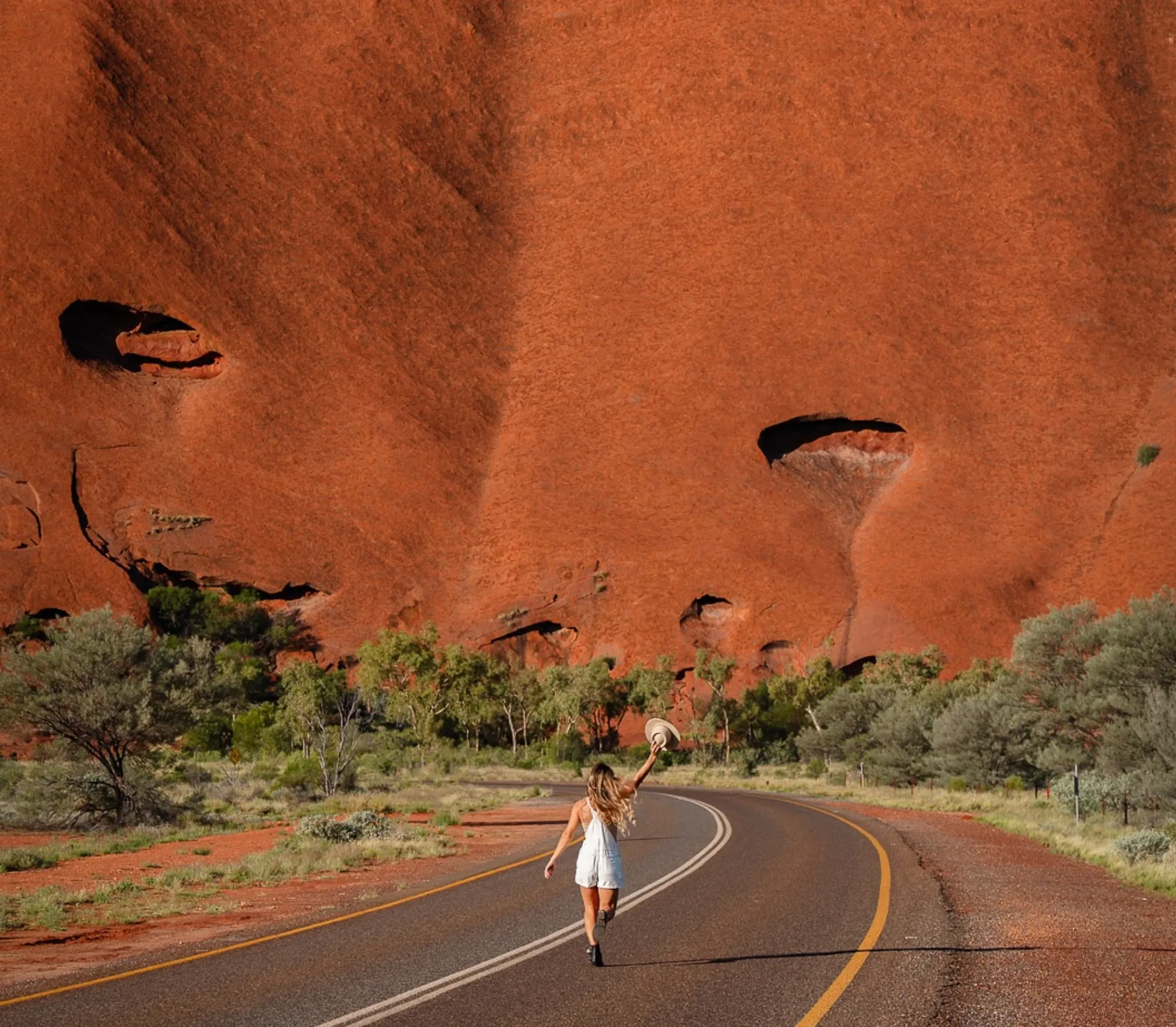
How We Plan Trips That Work
When we map itineraries — whether independent or with operators like Wayoutback Tours — we don’t start with landmarks. We start with timing, weather, and energy.
Something like a 3 Day Uluru Tour from Alice Springs works well because it builds in that balance. You get access to key events and experiences, but also recovery time between them — which is critical in the Red Centre.
I’ve seen travellers try to pack everything into two days and leave exhausted. I’ve also seen those who pace themselves walk away saying it was one of the most grounded travel experiences they’ve had.
Final Takeaway
Uluru isn’t just about getting there — it’s about getting there at the right time, with the right plan.
Align your visit with events, respect the climate, and keep your expectations grounded. Do that, and you won’t just see Uluru — you’ll experience it properly.
If you’re planning for 2026, start with the calendar, then build everything else around it. That’s how you turn a good trip into one that sticks with you long after the dust’s washed off your boots.
FAQ
When Is The Best Time To Visit For Events?
May to July offers the best mix of cooler temperatures and major events, making it the most reliable window for planning.
Is The Field Of Light Difficult To Walk Through?
It’s generally easy, but uneven ground and low lighting can make it tricky for those with mobility concerns. Closed shoes are a must.
How Long Does It Take To Travel Between Uluru And Kata Tjuta?
Allow at least 45–60 minutes each way, depending on traffic and stops.
Do I Need To Hire A Car?
Not essential. Shuttle bus services cover most key locations, but a car gives more flexibility if you’re comfortable driving in remote conditions.
Are Uluru Events High-Tech Like City Light Shows?
No. They focus on natural surroundings and subtle light installations rather than large-scale productions with heavy special effects.