Can you still land at the Apostles, or is it just a flyover? Short answer: forget landing right at the Twelve Apostles – it’s a flyover zone the whole way along the Great Ocean Road. But yes, you can land nearby at Port Campbell and Apollo Bay, then transfer in by road. And that’s exactly how it will work by 2026.
I know this stretch of Victoria’s Great Ocean Road like the back of my hand, having covered it more times than I care to remember. Sometimes it’s as smooth as a well-sealed highway, other times it’s a real rough ride thanks to the wind and weather. But the rules are in place for a reason: to stop erosion, keep people safe and make sure the fragile limestone stacks don’t get turned into rubble any quicker than they already are.
What The Air Experience Really Looks Like
Some people picture a helicopter just landing on a clifftop like it’s a film set. But the real deal? Well, that’s a bit more controlled than that – but still pretty darn good.
Why Flights Stay In The Air
Flights over Port Campbell National Park and the Twelve Apostles Marine National Park have to stick to a pretty strict set of rules. The reason for this is to preserve the sedimentary rock better and the surrounding marine environment, too.
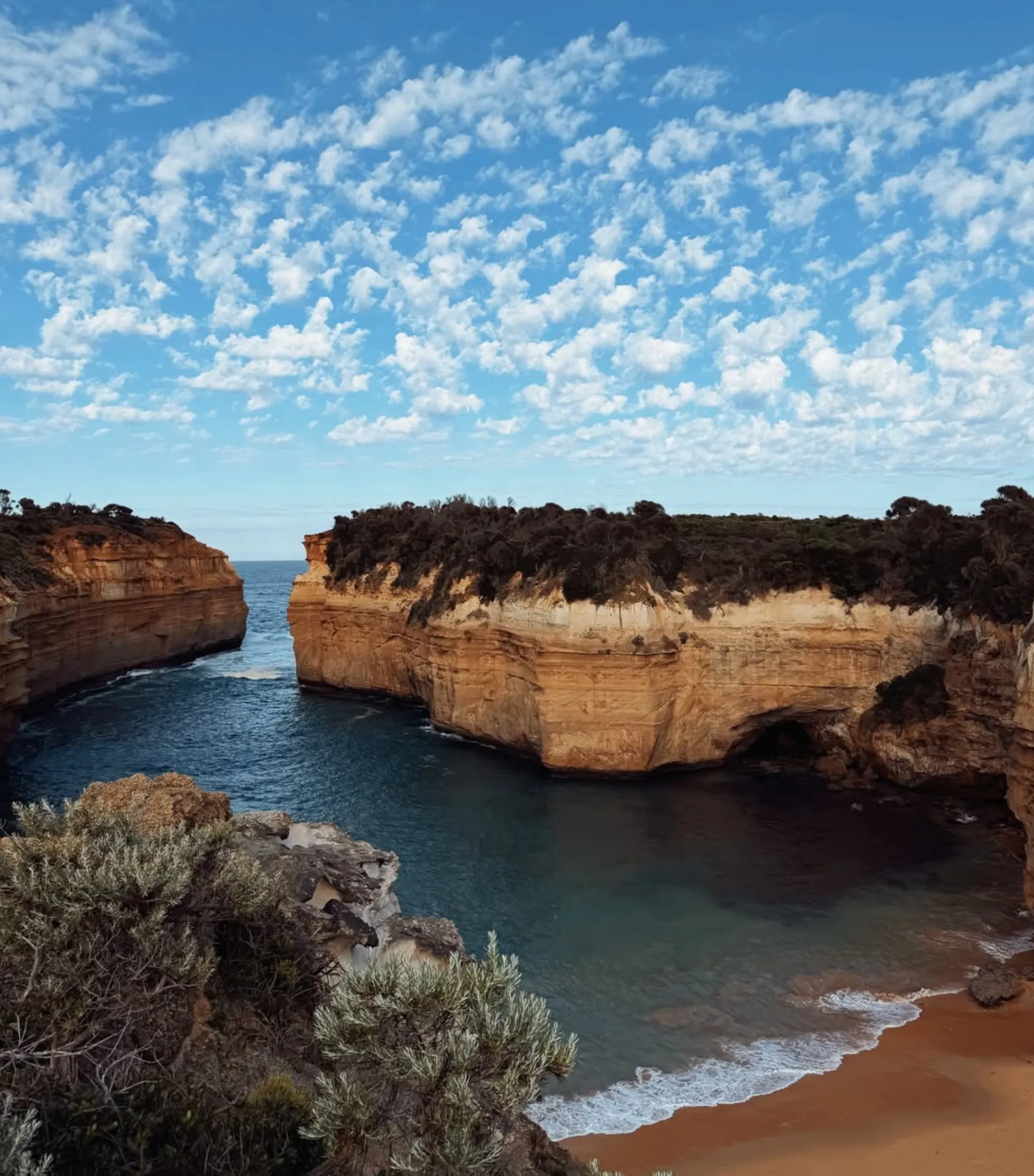
Flights will generally last anywhere from 10–30 minutes, and they’ll be tracing the coastline of the Shipwreck Coast. You’ll pass over Loch Ard Gorge, London Bridge and The Grotto, but from up high, you’ll be able to see the whole system and won’t have to worry about getting too close to the cliffs or the stacks.
What You’ll Notice From Above
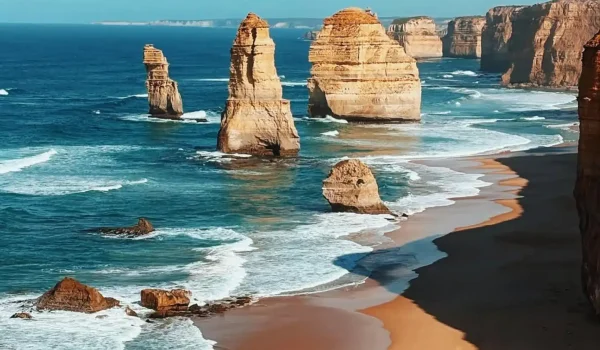
The real value of a scenic flight is just the whole new perspective you get. From down on the ground, you get to see the individual stacks. But when you’re up in the air, you get to see the whole big picture.
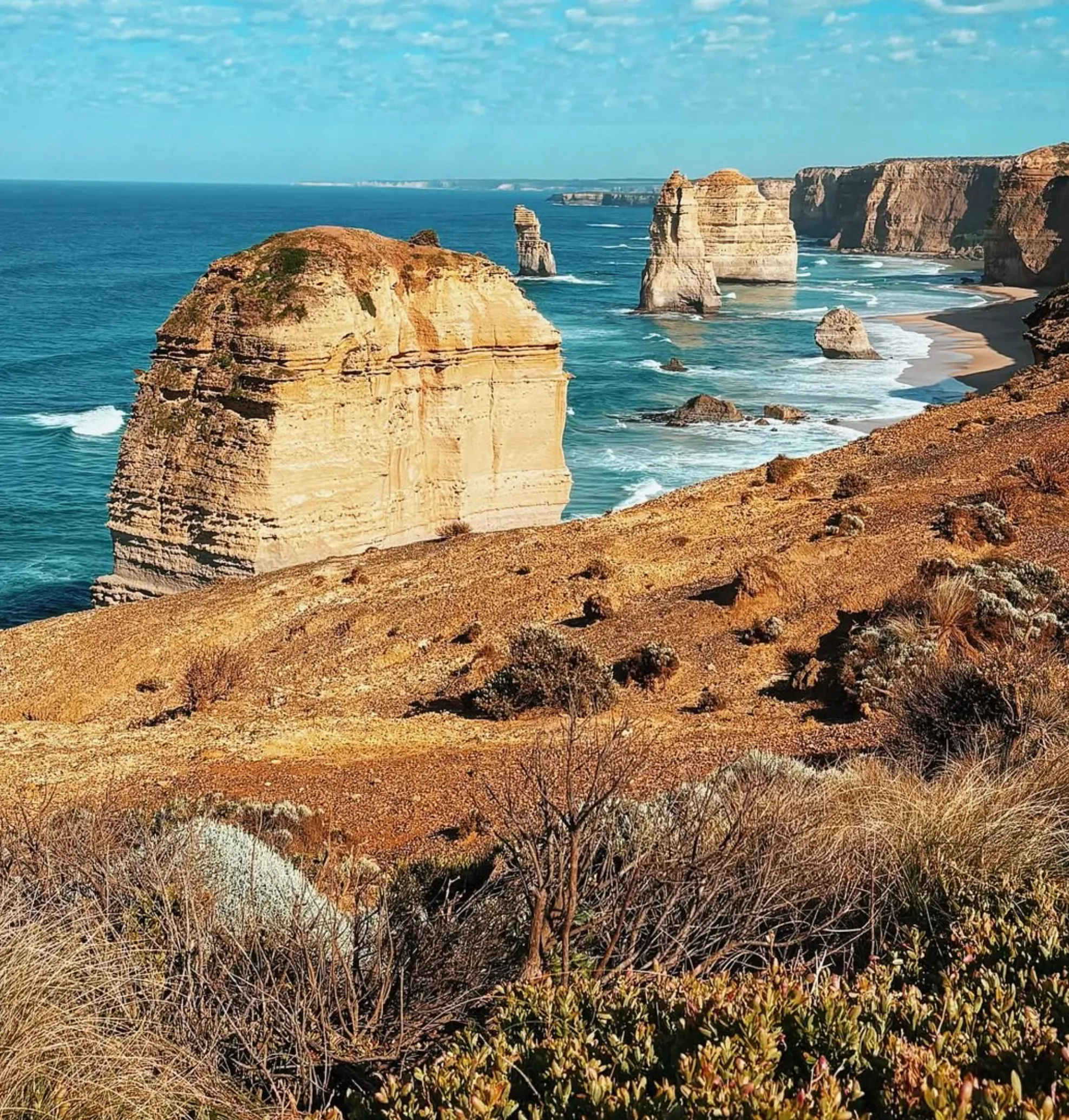
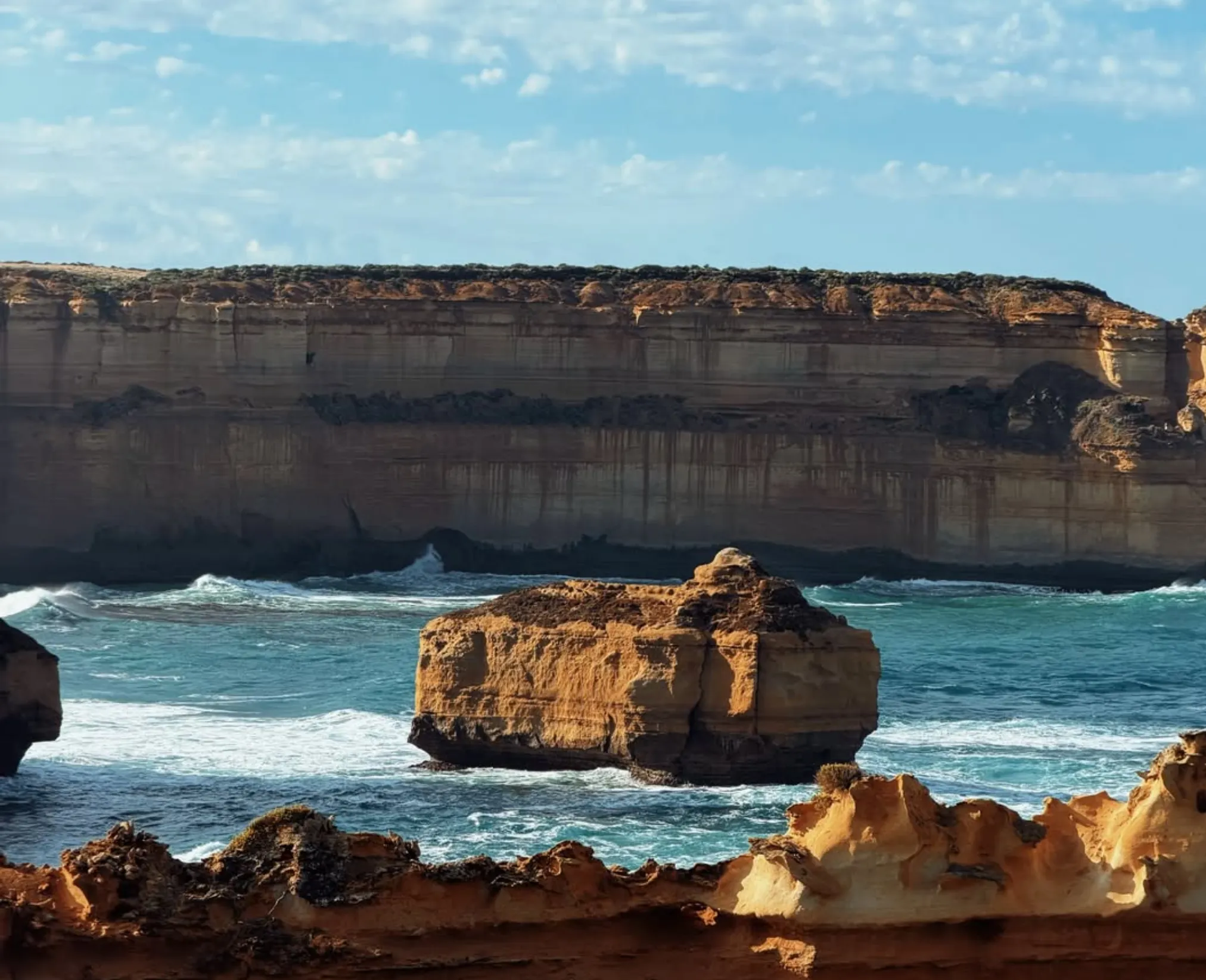
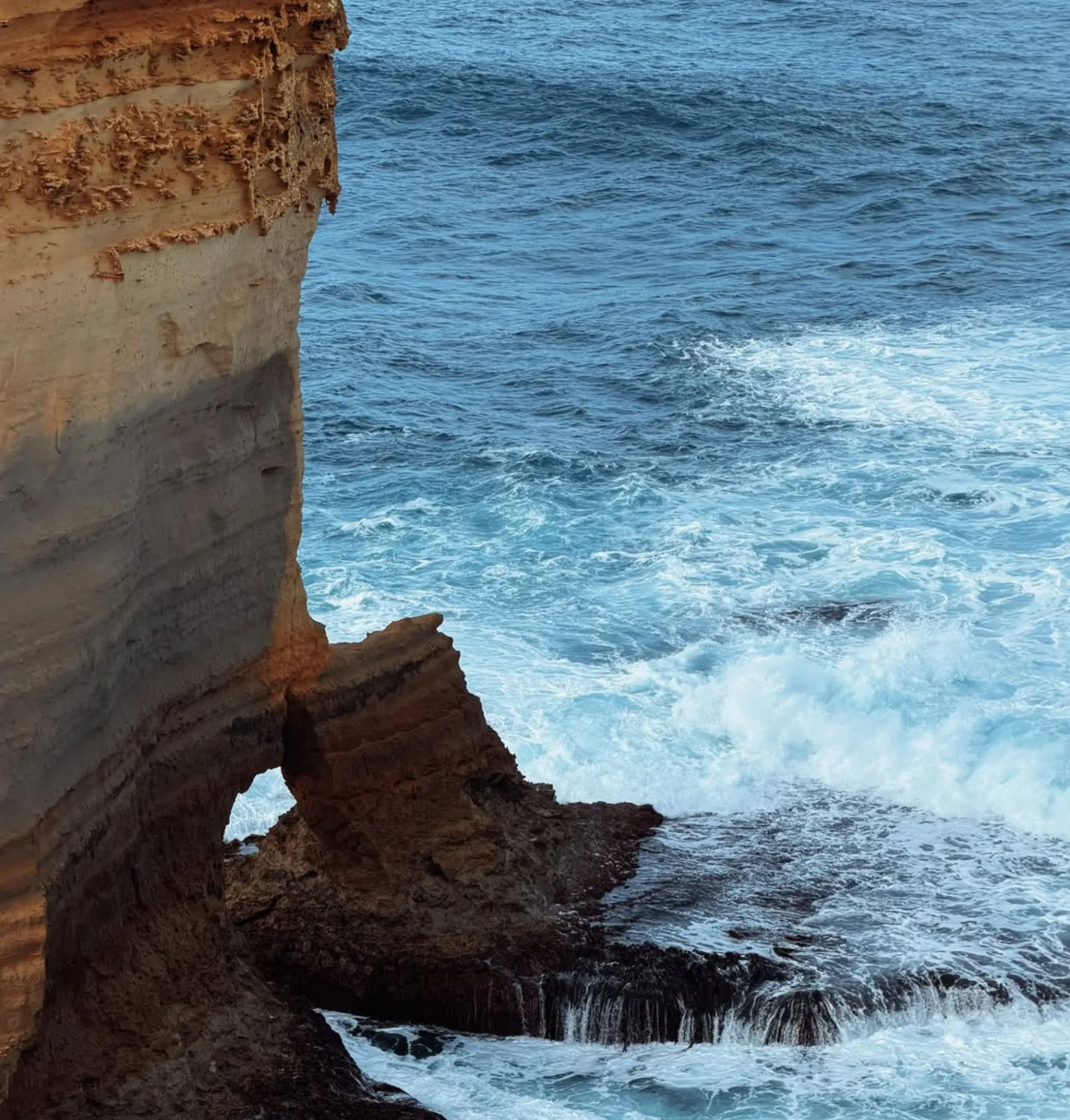
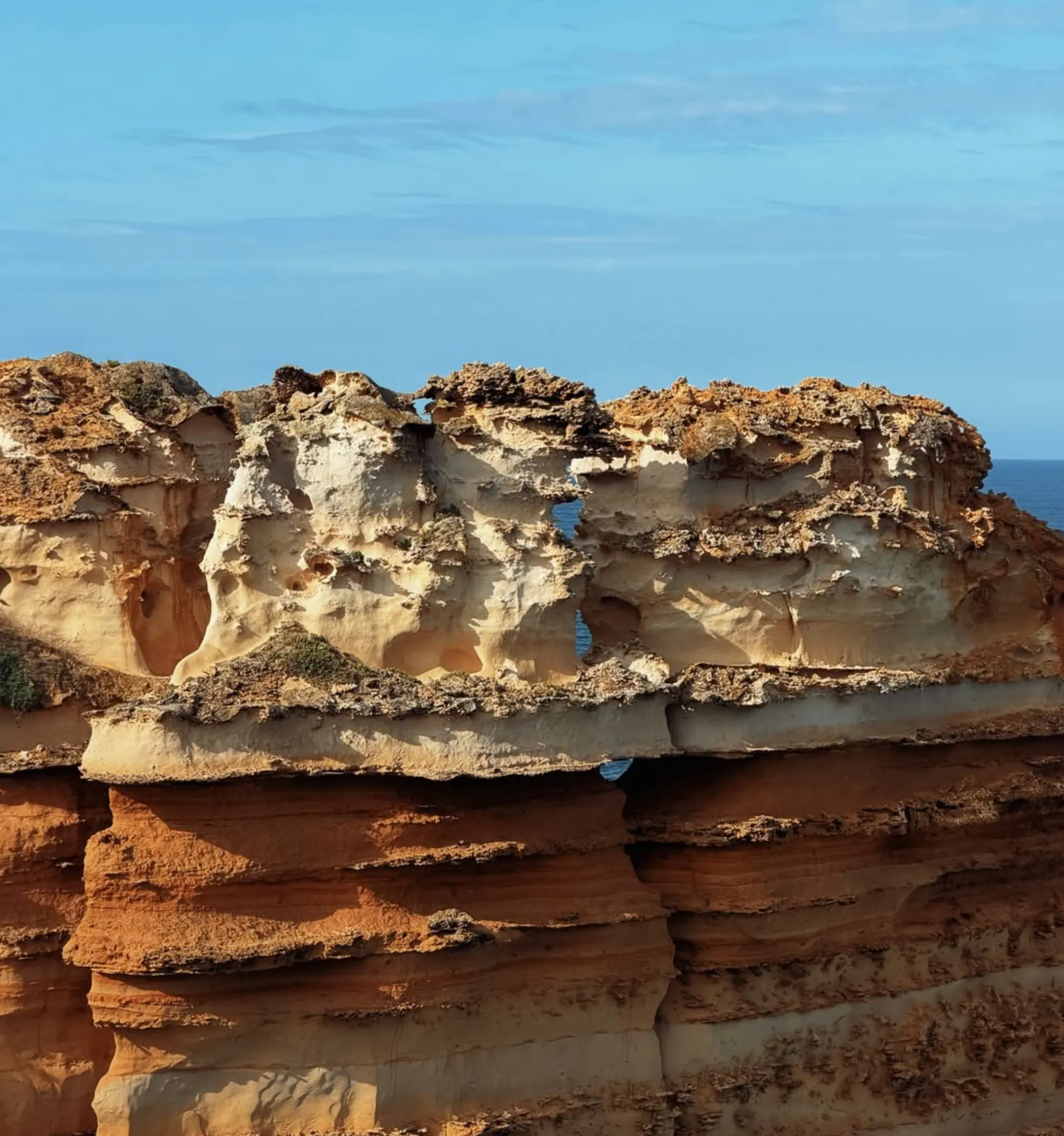
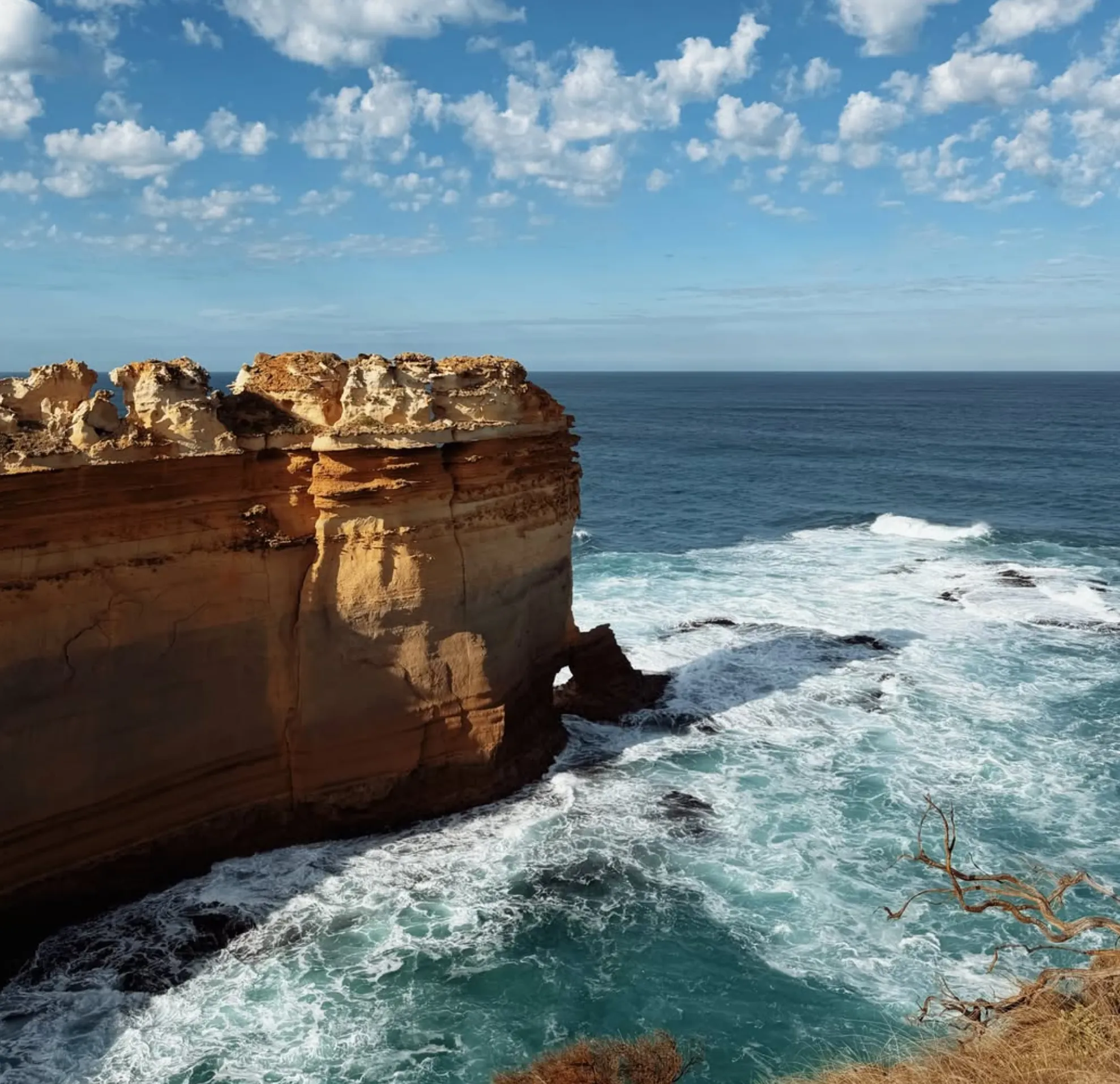
Looking down, you can spot the coastline stretching on for miles beyond the main viewing areas, with Gog and Magog and Sow and Pigs just sitting out there in the water. And the sediment layers are clear as day – a reminder that this coastline has been shaped over millions of years and is still changing every day.
Landing Nearby: How It Actually Works
You can still land – it’s just not where you go to see the Apostles from.
Where Aircraft Can Touch Down
We tell people that Yarra Valley Aviation and Rotor One sort of know what they are doing, and they use these designated landing zones near:
- Apollo Bay
- Port Campbell
- Princetown
And once you land, you get to hop into a vehicle and drive on over to the main viewing platforms and all the key lookout points near the 12 Apostles Visitor Centre.
What A Combined Flight Looks Like
When you go on a fly-and-land trip, it’s pretty straightforward. You take off and fly along the coast, land at a designated spot, and then hop into a vehicle for the Visitor Experience Centre or Port Campbell Visitor Information Centre. From there, you can just walk on down to spots like Gibson Steps and have a look from above.
It’s not exactly a high-tech operation, but it works and, more importantly, it keeps things safe and environmentally friendly.
Choosing Between Air And Road Access
| Experience Type | What You Get | Time Required | Cost Range (AUD) | Best For |
|---|---|---|---|---|
| Flyover Only | Aerial coastline views | 10–30 mins | $150–$350 | Short visits |
| Fly + Land Combo | Flight plus ground access | 1–2 hours | $350–$700 | Full experience |
| Road Trip Only | Walkways, beach access steps, viewpoints | Half-day | $0–$20 parking | Flexible travel |
Prices are approximate (2026) and may vary depending on fees and taxes.
When Conditions Work In Your Favour
Timing is key – it makes or breaks the whole experience.
Best Windows For Flying
In all honesty, the morning and afternoon are the safest bets.
You’ll get:
- Calm air over the Southern Ocean
- Clear light on the limestone stacks
- Crowd-free visitor centre
Avoid midday if you can – I’ve had a few flights where the chopper has been bouncing all over the place like it’s driving down a corrugated road.
Seasonal Factors To Keep In Mind
- Summer: The tourists are out in force, and that can put a lot of pressure on the area.
- Autumn: The weather is stable, and you’ll have the place almost to yourself.
- Winter: You should see some pretty dramatic conditions out there, but big swells can make it a bit hairy.
- Spring: Expect windy and unpredictable weather.
Things like infrastructure upgrades can also catch you out and force closures – especially when they’re doing remediation work to make the area safer for visitors.
Understanding The Layout Before You Go
This isn’t just one lookout – it’s a whole stretch of coastline that needs some context.
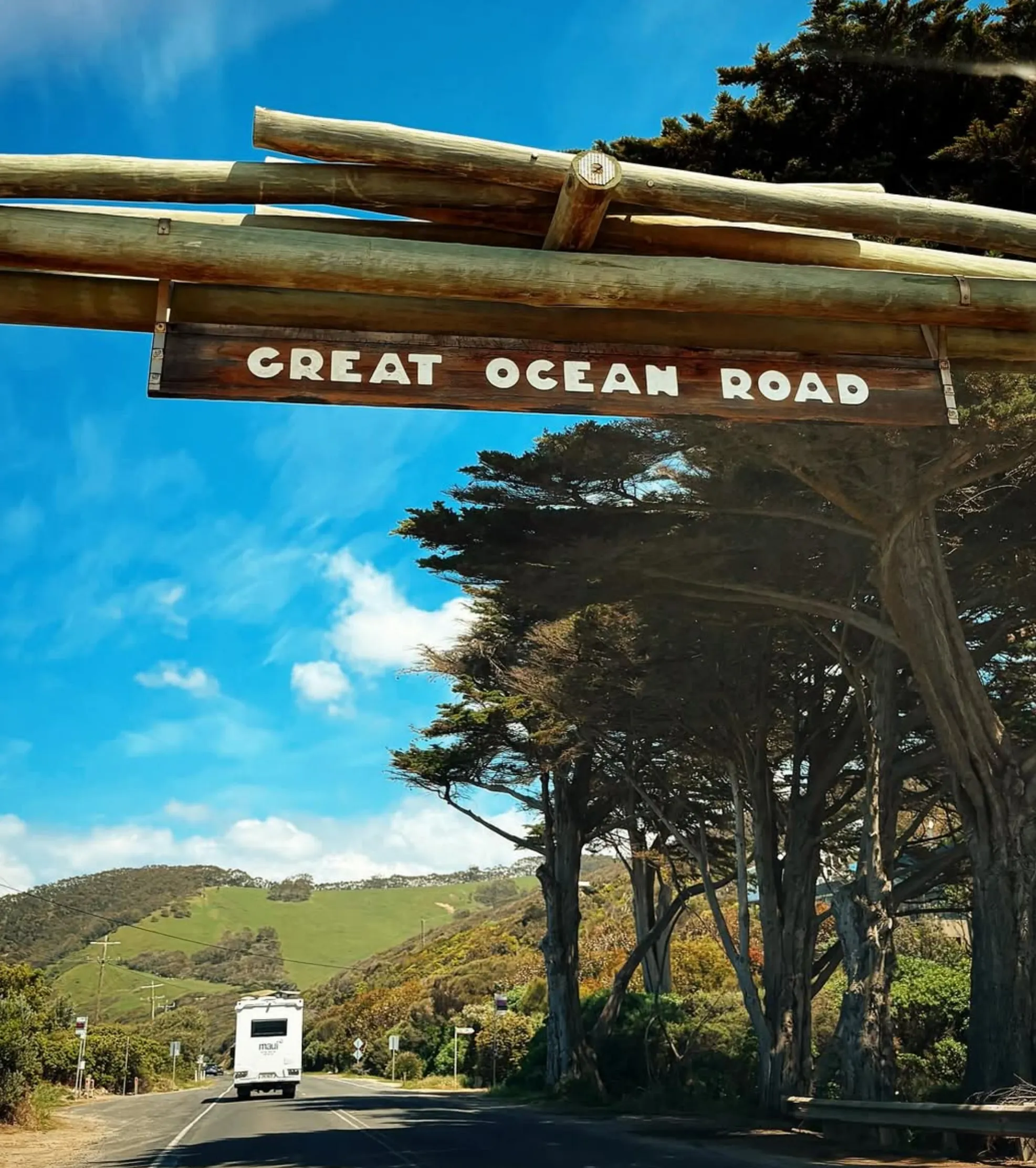
The drive takes you from Melbourne past Bell’s Beach, through Cape Otway, into Apollo Bay, and then along the Great Ocean Walk region before you hit Port Campbell National Park. From there, you’re into the main Apostles area and on towards Loch Ard Gorge.
If you really don’t have much time or you’re not up for navigating all the tight bends and slow traffic, a guided tour can make things a lot easier. Lots of people use a tour operator like Great Ocean Road Tours to cover the key stops without the hassle.
Smart Planning Tips From The Ground
You don’t need a super complicated plan – just one that’s realistic.
Quick Checklist Before You Lock It In
- Check where you’re leaving from (Apollo Bay or Port Campbell).
- Make sure you check the passenger weight limits (it’s quite strict for these flights).
- Leave a bit of extra time for the drive – it takes a while and you’ll need to go slow on some of the bends.
- Pack a few layers – the coastal wind can get pretty biting.
- Use the flight headsets they give you – they’re a lifesaver.
It’s worth keeping in mind, too, that this coastline is managed with respect for the Traditional Owners of the land. Stick to the marked paths and follow the signs.
Lots of people pair their flight with a guided tour – especially with operators like Great Ocean Road Tours, so you can see a bit more without feeling rushed.
How To Get The Most Out Of Both Perspectives
I’ve been taking this route for years now, and I’ll tell you this: flying gives you a completely different perspective than walking.
- Do the flight to get a feel for the coastline.
- Do the walk to really get a feel for it.
- If you can, do both – they’re not the same experience at all.
Final Takeaway From Paul
You’re not landing right on top of the Apostles – and honestly, that’s probably for the best. This part of the coast is pretty fragile, and you wouldn’t want to risk messing with its delicate ecosystem. If you tried to do a lot of landing here, it would probably accelerate its decline.
If you do want to experience it for yourself, you’ve got a few different options:
- Getting a bird’s-eye view from the air will give you a totally new perspective on this stretch of coast.
- Or, you can land at a nearby airfield and explore the formations from up close.
- Or if you’ve got the time, driving the full length of the coast and stopping off at all the key spots is the way to go – this takes a bit more effort, but it’s worth it.
I’ve done all three, and I’ve gotta say, each one gives a different flavour of the same spot. Just make sure you take the time to do it right, don’t expect to cut corners, and the coast will reward your effort.
If you want the full experience, combining a flight with a drive is the way to go.
FAQ
Are there any landing spots right on the water's edge?
No – there aren’t. All the landing spots are a bit back from the coast, which helps keep the place safe and protects the environment.
How far ahead do I need to book a flight?
If you’re planning to visit in peak season – say, summer along the Great Ocean Road – you should definitely book at least a few days ahead of time – these spots get snapped up fast.
Can bad weather make it impossible to fly?
Yeah, that’s right – wind and visibility are pretty key for these flights. If it’s not safe, the operators will just reschedule for another time.
Can I still get the full experience if I do a flight and then that's it?
Absolutely. The viewing platforms and walking trails give you a totally different feel for the place – you should definitely still get down to the coast and explore on foot.