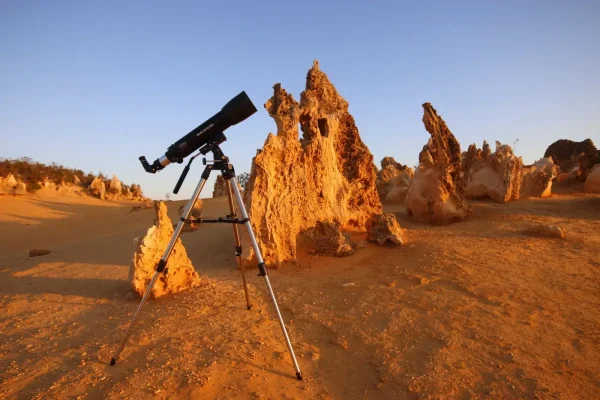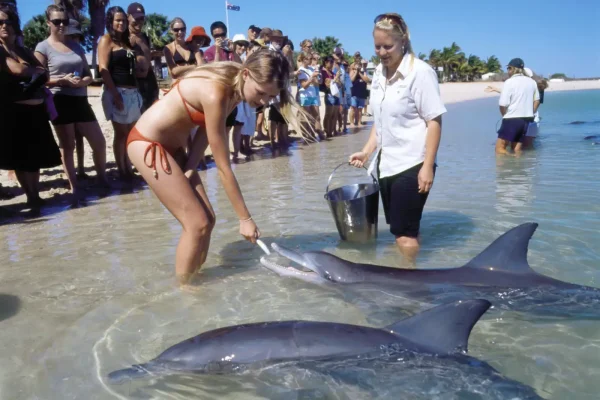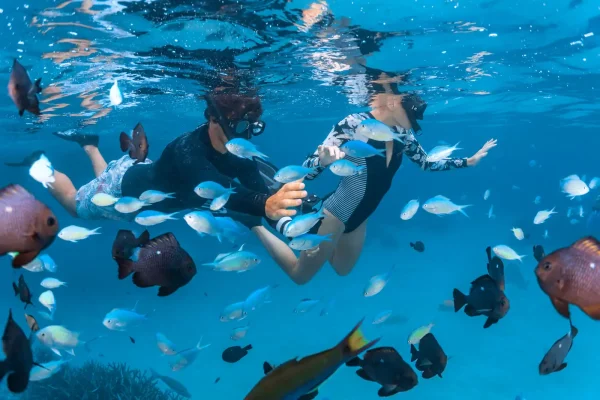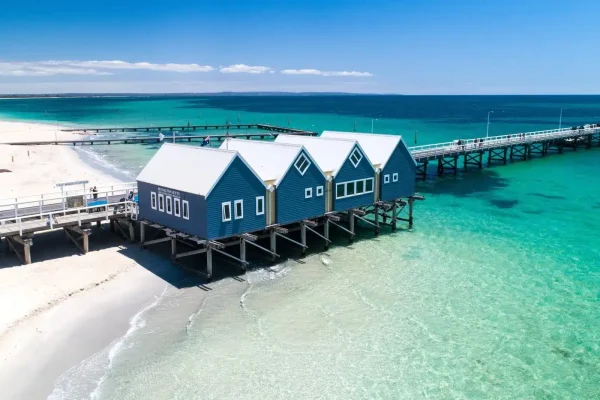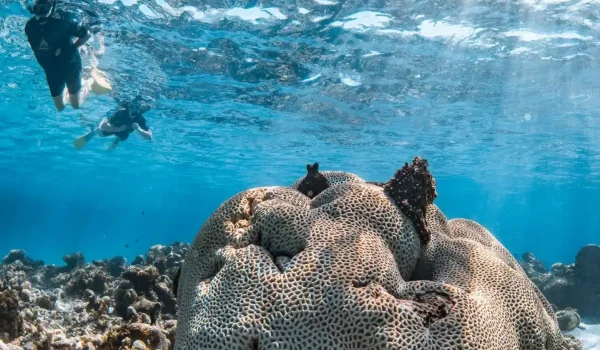
Next to the red earth of the Cape Ranges lie the turquoise lagoons of the Ningaloo Reef, home to some of the world’s most incredible marine life and most beautiful coral reefs.
Located approximately 1200km north of Perth, the Ningaloo Fringing Reef is a sparkling jewel in Western Australia’s crown. Situated on the coast, the reef is a UNESCO World Heritage Site and offers a wealth of outdoor adventures. The most famous visitors to Ningaloo are whale sharks.
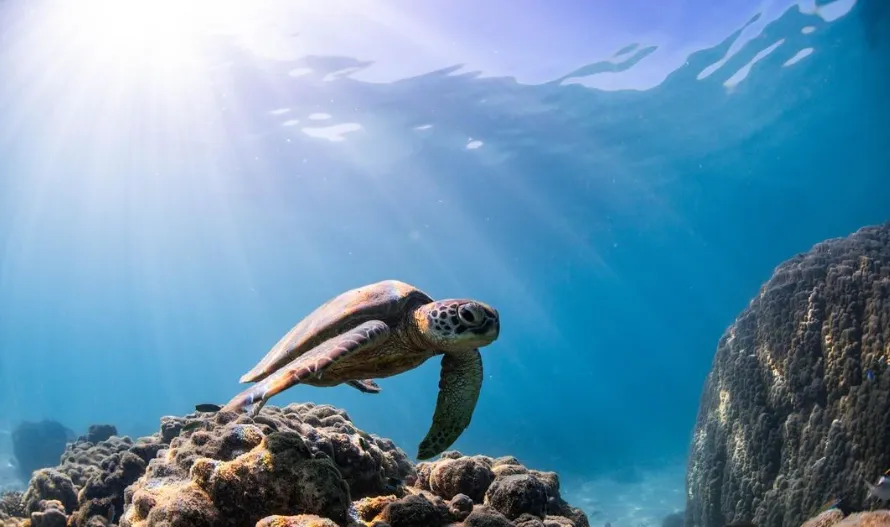
This is one of the largest aggregations in the world, making it an ideal place to swim with them, as well as manta rays, turtles or humpback whales during their annual migration.
Discover the Ningaloo Reef
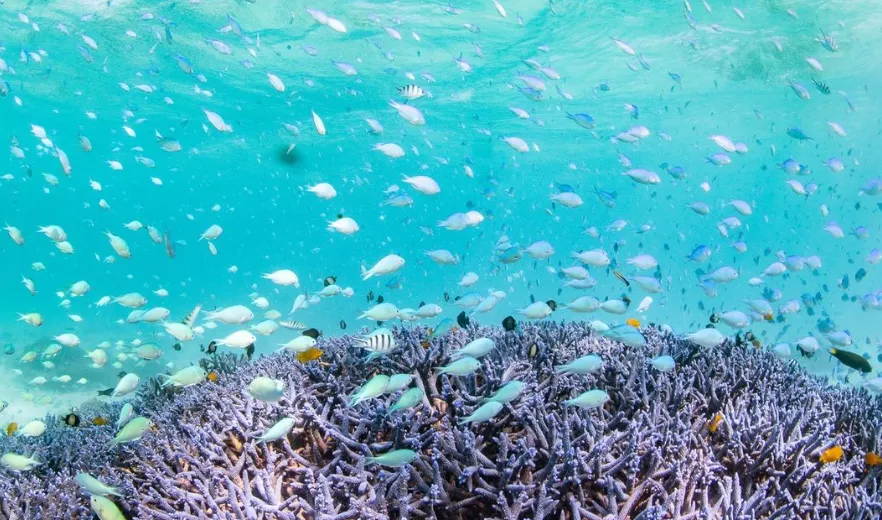
Discover a colourful world of marine life & and coral gardens beneath the crystal-clear waters of the World Heritage-listed Ningaloo Reef. Scuba dive, snorkel or swim on Australia’s largest fringing reef, watching whale sharks, humpback whales and manta rays swim past for a unique experience.
Plenty of wonders on land, with pristine beaches and surfing spots to show off your adventurous side or soak up the barefoot luxury. Just under 13 hours north of Perth, the coastal town of Exmouth is the gateway to this seaside wonderland. The flight from Perth to Exmouth takes around two hours.
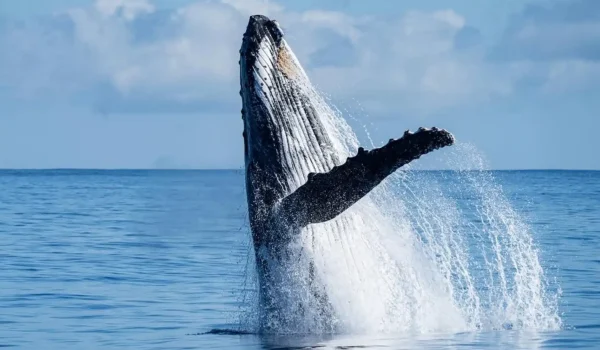
When your feet hit the ground, you’ll want to explore this 300 km-long water world. Whether you dive right off the beach, take a glass-bottom boat cruise, fishing trip or eco-adventure tour, Ningaloo Reef is a marine paradise that will take your breath away. From March to August, the reef is home to whale sharks, offering a unique opportunity to see and swim with some of the world’s most enormous marine creatures, while serene humpback whales migrate from August to October. Many travellers combine this experience with a Pinnacles tour to make the most of Western Australia’s natural wonders.
Whale sharks
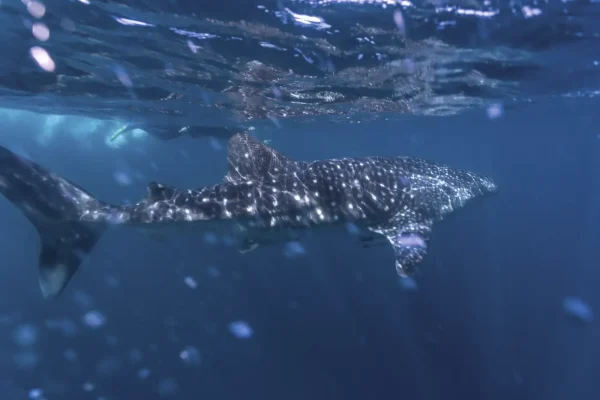
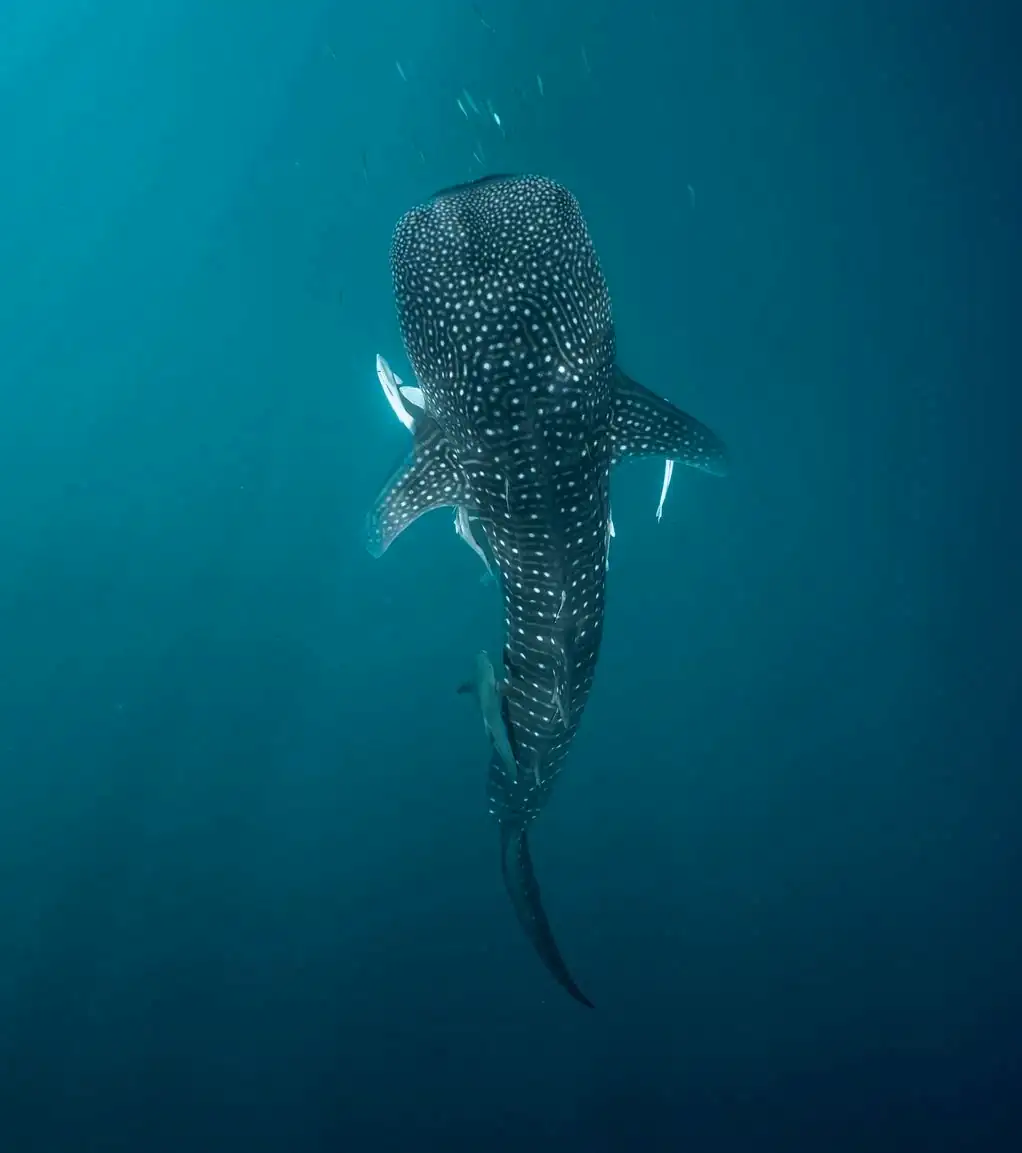
Swimming with whale sharks is a memorable experience that you will never forget!
Attracted by the annual spawning of more than 200 species of coral, the mysterious whale sharks settle on the World Heritage-listed Ningaloo Reef every year from March to July. The marine giants can grow up to 16 meters long, weigh around 30 tonnes, and cruise along the reef while feeding on fattened krill, all while maintaining a sense of elegance and relaxation.
Cape Range National Park
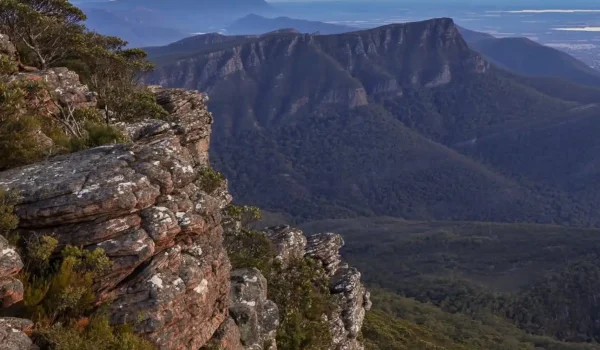
Located west of Exmouth’s northwest cape, the Cape Range National Park offers a spectacular landscape of rugged limestone ridges, deep canyons that take your breath away, and 60 kilometres of sandy beaches.
The Cape Range National Park covers an area of approximately 50,581 hectares, with its northern boundary just 36 kilometres from the Exmouth. The Cape Range National Park is rich in wildlife, with emus, echidnas, lizards, wallabies, kangaroos, dingoes, and birds!
Manta rays
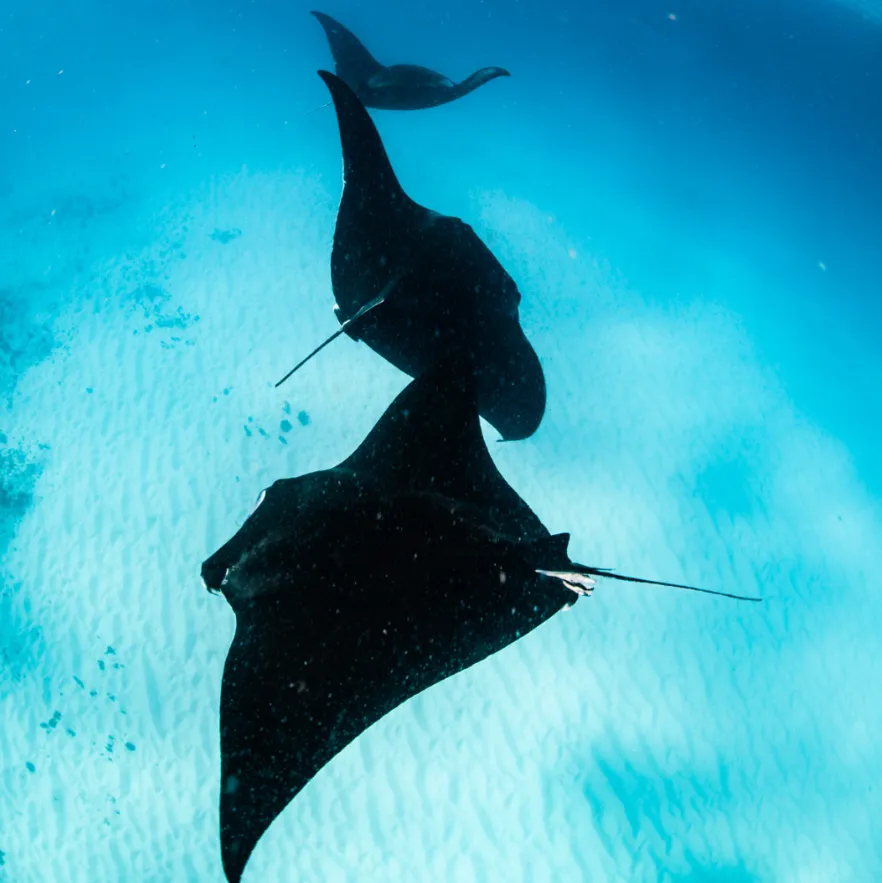
Manta rays are the ballet dancers of the ocean. They move full speed on their giant wings and sometimes jump out of the water. During a swim, you can meet up to 300 of these graceful creatures that use their toothless mouths like a sieve to feed on plankton and krill, and you can swim up close to them! Mantas live all year round in Coral Bay and from June to November in Exmouth.
Ningaloo Marine Park
A UNESCO World Heritage Site, Ningaloo Marine Park is home to the world’s largest fringing reef, the Ningaloo Reef – 300 kilometres of biodiversity stretching from Red Bluff to Exmouth, in many places just a stone’s throw from the shore.
Flights from Perth take you to nearby Learmonth Airport in two and a half hours. Alternatively, you can take a two-day trip from Perth to Coral Bay or Exmouth or join a guided Exmouth tour.
While the Ningaloo Reef is celebrated for being Australia’s largest fringing reef—where the coral is so close you can practically step into it from the sand—it offers a starkly different experience to its famous cousin on the East Coast. Many travelers who have visited the Great Barrier Reef are often stunned by the accessibility of Ningaloo; here, you don’t need a long boat ride to reach the outer edge. While the eastern reef is a vast, sprawling labyrinth of offshore islands, Ningaloo’s intimacy allows for a more personal encounter with marine giants like whale sharks and manta rays right near the shoreline. It’s the perfect counterpoint for any ocean lover, showcasing the two very different, yet equally breathtaking, sides of Australia’s underwater heritage.
Coral Bay
Coral Bay, with its pristine white beaches and turquoise waters, is an idyllic introduction to the breathtaking beauty of the UNESCO World Heritage Ningaloo Reef. It is one of the few places to meet fascinating marine creatures such as whale sharks. If you prefer to catch big fish, jump on a fishing boat to see your dream come true. It’s all here in an aquatic adventure you’ll remember forever.
Exmouth
The friendly, adventurous coastal town of Exmouth is the starting point for some of the most spectacular scenery on the planet. Jump into the ocean and swim with creatures large and small. Or head to the rugged and spectacular surrounding coastline for more opportunities to get up close and personal with nature.
FAQ
Where is Ningaloo Reef located?
Ningaloo Reef lies about 1,200 km north of Perth, Western Australia, with Exmouth and Coral Bay as its main gateways.
When is the best time to swim with whale sharks at Ningaloo?
The prime whale shark season runs from March to July, when these gentle giants gather after the annual coral spawning.
What other marine life can I see at Ningaloo Reef?
Depending on the season, you can spot manta rays year-round in Coral Bay, June to November in Exmouth, plus turtles and humpback whales from August to October.
What land attractions are near Ningaloo Reef?
Cape Range National Park offers rugged limestone ranges, deep canyons, wildlife like emus and kangaroos, and 60 km of pristine beaches.
How can I get to Ningaloo Reef?
Fly from Perth to Learmonth Airport in about 2–2.5 hours, or take a road trip to Exmouth or Coral Bay for a scenic coastal adventure.